
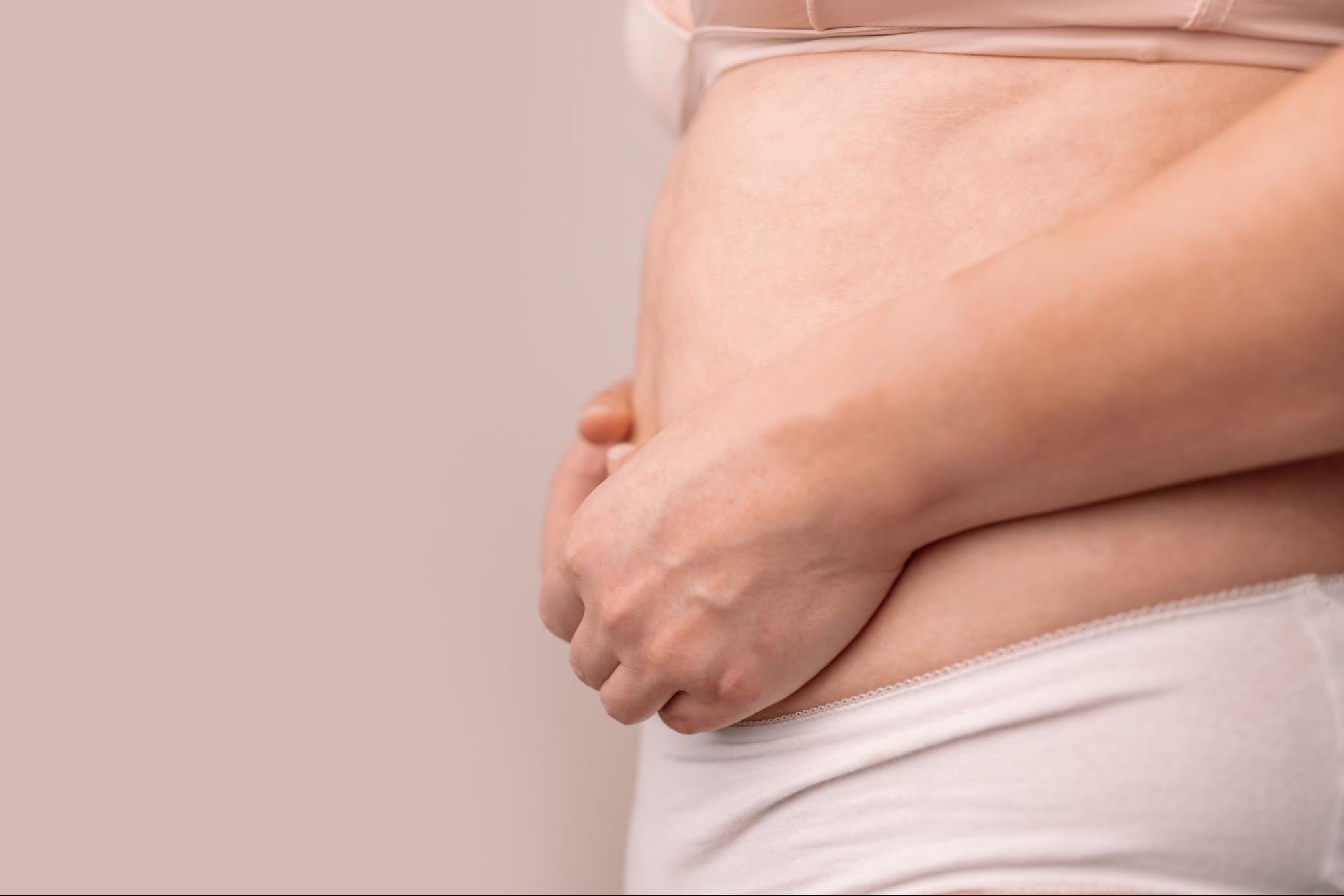
It is the most common frustration heard in the Innerstrong community: you haven’t changed your diet, and you’re moving just as much as ever, but your favourite jeans no longer fit the same. The shift in body composition during midlife is often treated as an inevitable “age thing” or a lack of discipline.
Is your body suddenly working against you? Are you doing more cardio than ever only to see the scale stay stuck? Is it possible that “eating less” is actually making the problem worse?
Let’s break it down with the Innerstrong way.
What Is “Menobelly,” Really?
“Menobelly” refers to the noticeable shift in fat storage that occurs during perimenopause and menopause. While you may have previously stored weight in your hips or thighs, you might now notice a thickening around your midsection.
The Science in Plain English This isn’t just “surface fat.” It is primarily visceral fat, which is stored deep within the abdominal cavity, surrounding your internal organs. Unlike the soft fat you can pinch, visceral fat is metabolically active and can influence your overall health markers.
In simple terms: Your body is changing where it “parks” energy, moving it from the periphery to the center as estrogen levels decline.
Why it matters physiologically: As estrogen levels decline, your body becomes less efficient at managing insulin. Estrogen helps keep your cells sensitive to insulin; without its support, your body may produce more insulin to manage blood sugar, and high insulin is a primary signal for fat storage, specifically in the abdominal area.
Why Is This Shift Important?
Understanding this shift is vital because visceral fat isn’t just an aesthetic concern; it impacts your long-term health.
Chronic Inflammation:
Visceral fat can drive chronic inflammation throughout the body.Metabolic Health:
This fat is closely linked to increased risks of blood pressure shifts and cardiovascular disease.Energy Stability:
When fat storage shifts due to insulin resistance, you are more likely to experience fatigue and sugar cravings.Lesser-Known Benefits of Addressing It
When you focus on the hormonal drivers of belly fat rather than just calories, you often see a massive improvement in sleep quality and mood stability. Reducing the inflammatory load can also clear “brain fog,” allowing you to feel more like yourself again.
Menopause-Specific Relevance
During perimenopause, your hormones do not shut off overnight; they fluctuate gradually. As estrogen declines, several physiological shifts happen simultaneously: insulin sensitivity decreases, and stress hormones like cortisol begin to play a much larger role in fat storage.
This is why traditional weight loss advice, “eat less and move more”, often fails women in this stage. If you cut calories too low while your cortisol is already high from hormonal changes, your body perceives a “crisis” and may hold onto abdominal fat even tighter.
Myth-Busting
Myth 1: “I need to do more crunches to lose the belly.”
The Reality: You cannot “spot reduce” fat. Crunches build the muscle under the fat, but they don’t address the insulin resistance or cortisol spikes driving the storage in the first place.
Myth 2: “I should do an hour of cardio every day.”
The Reality: Excessive steady-state cardio can spike cortisol. For menopausal women, “punishing” cardio often leads to more inflammation and less fat loss, whereas resistance training improves insulin sensitivity.
Practical Guidance
Who should consider this? Any woman in her 40s or 50s who is noticing a change in her waistline despite consistent effort.
How to implement it:
Prioritize Resistance Training:
Lifting weights improves insulin sensitivity, allowing your muscles to absorb glucose without requiring as much insulin.
Fuel Smarter, Not Less:
Ensure you are fueling your body strategically with protein and nutrients to protect your muscle mass.
Manage Stress:
Since cortisol drives belly fat, intentional stress management like walking or breathwork is actually a metabolic tool.
Disclaimer: While these strategies are evidence-based, please consult with your healthcare provider to rule out other metabolic conditions.
Take Ownership of Your Health
Menopause is a biological shift, not a physical decline. Armed with the right data and the right weight, you aren’t just surviving this transition, you’re outperforming it. Don’t let midlife happen to you; take the lead and build a body that lasts.
At Innerstrong, we trade uncertainty for strength and turn the transition into your greatest transformation.
Own your strength. If you want a clear plan that addresses stress, hormones, sleep, training, and nutrition together, you do not have to figure it out alone.


