
Menopause Fitness Coach & Personalized Menopause Fitness Programs
Menopause is a time of major physical and hormonal change, and your fitness routine should evolve with your body. At Innerstrong Fitness, we specialize in personalized menopause fitness programs designed to help women stay strong, energized, and confident through perimenopause and menopause.
Our approach combines data-driven training and personalized coaching to create a menopause fitness plan that supports your body’s changing needs. From strength training and metabolism support to improved mobility and energy, our programs are designed to help you feel your best at every stage.
If you’ve been searching for a certified menopause fitness coach, Innerstrong Fitness provides expert guidance, structured programs, and ongoing support to help you achieve lasting results.
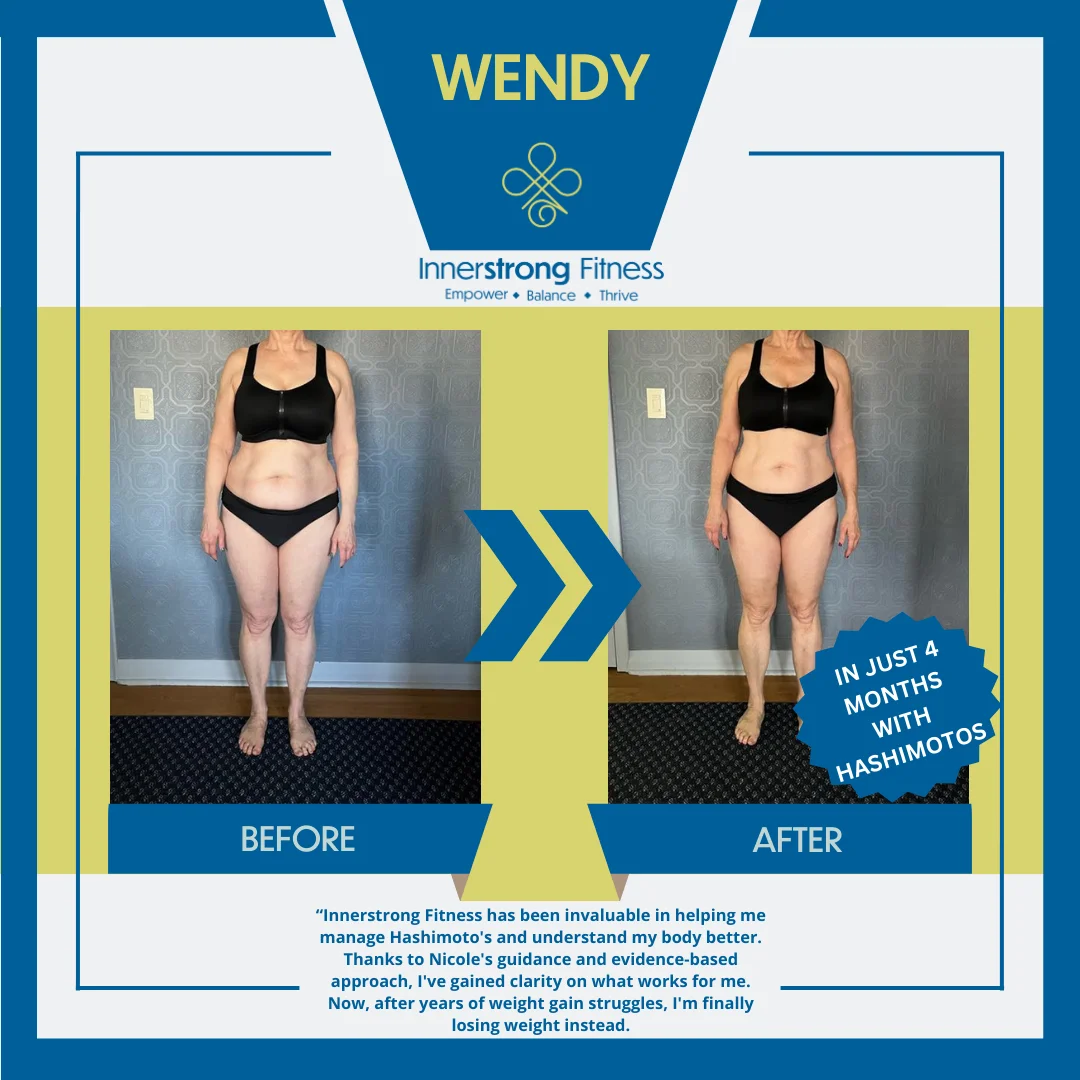
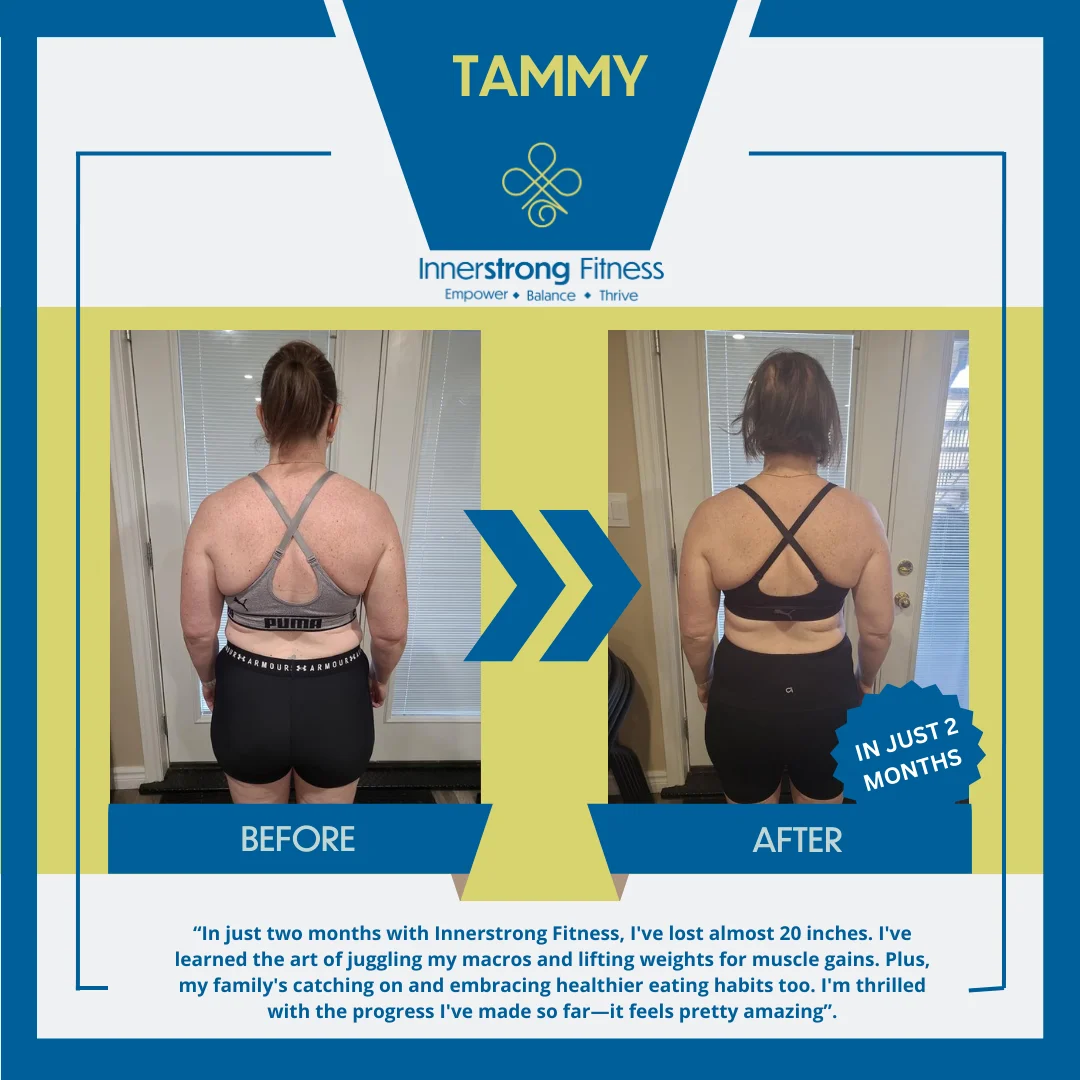
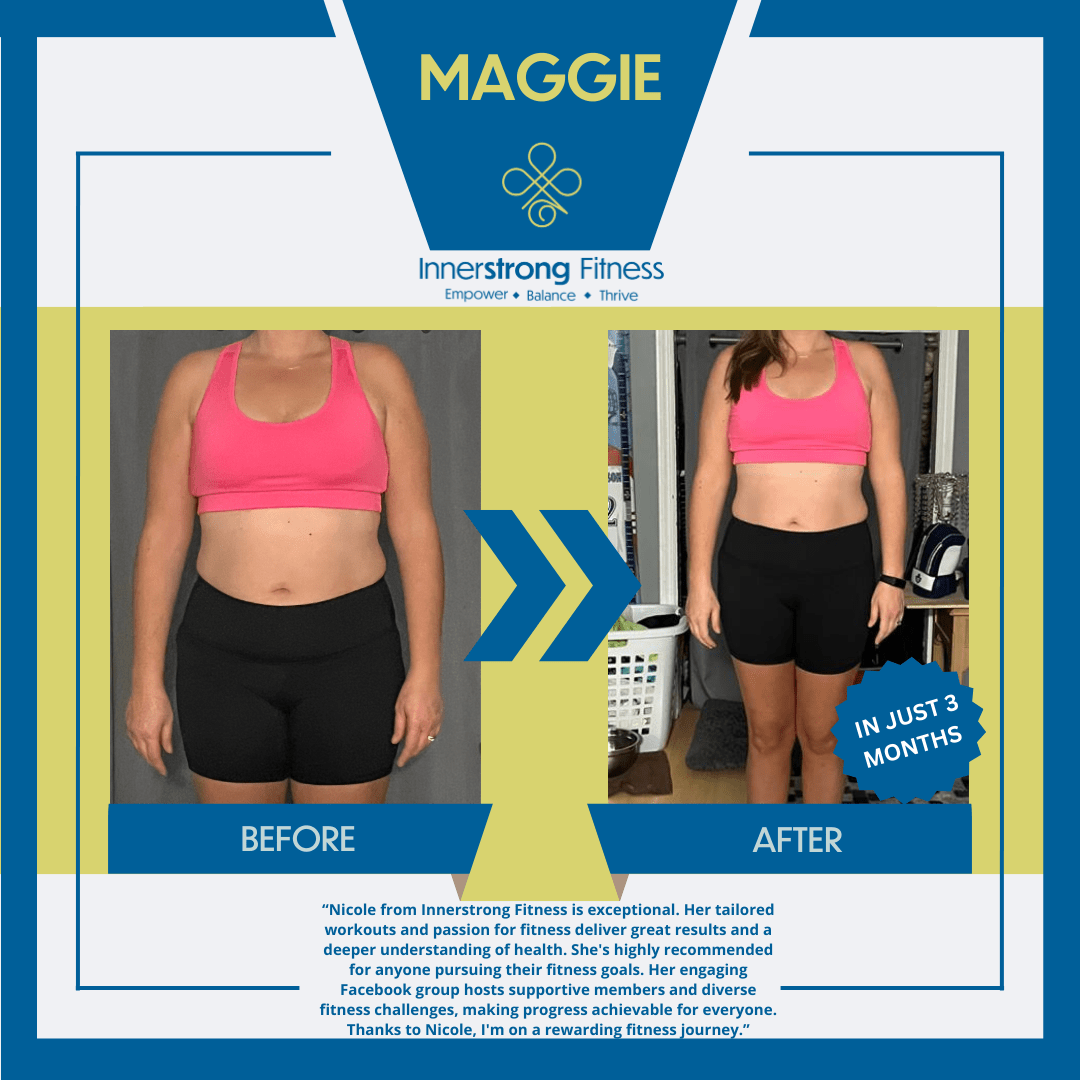
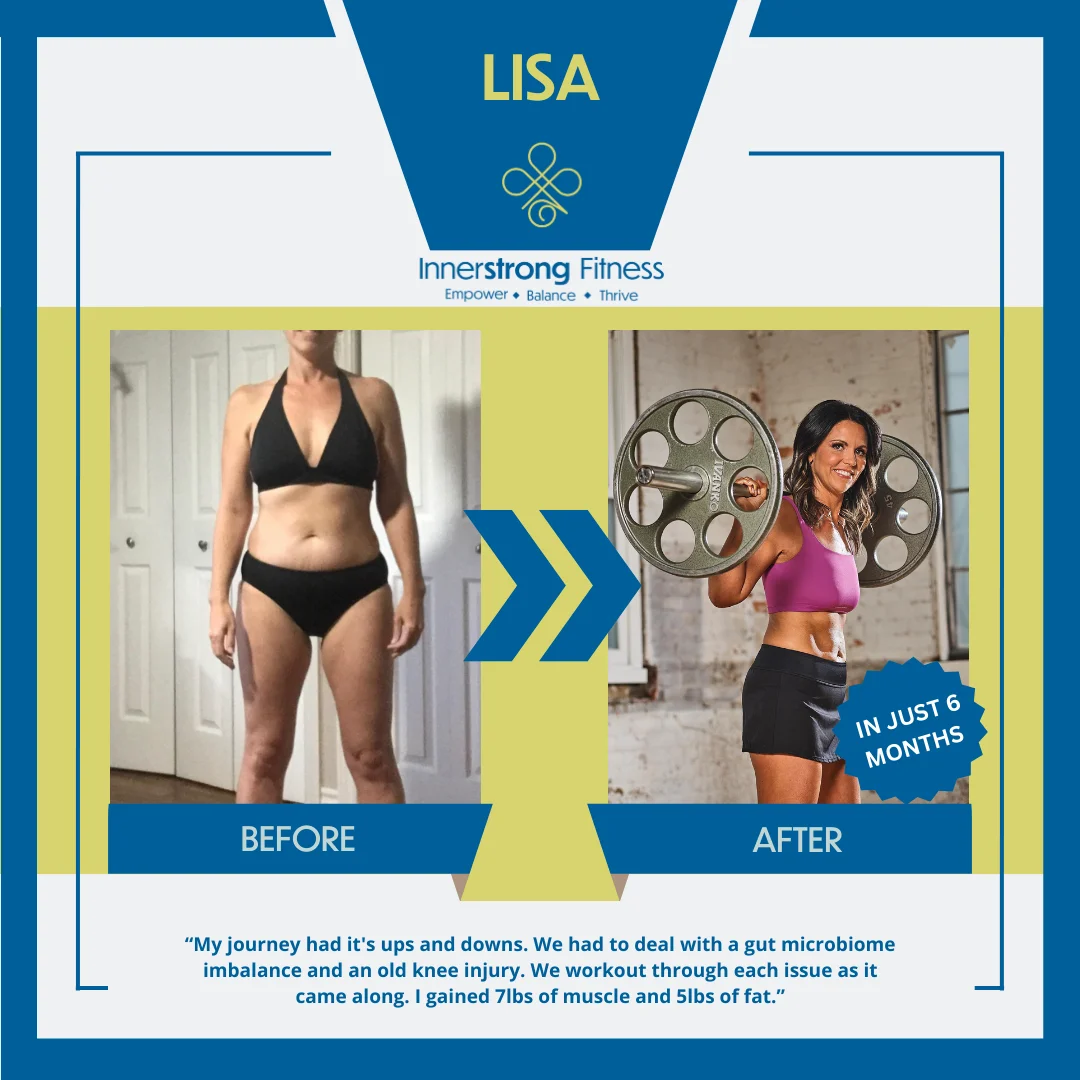
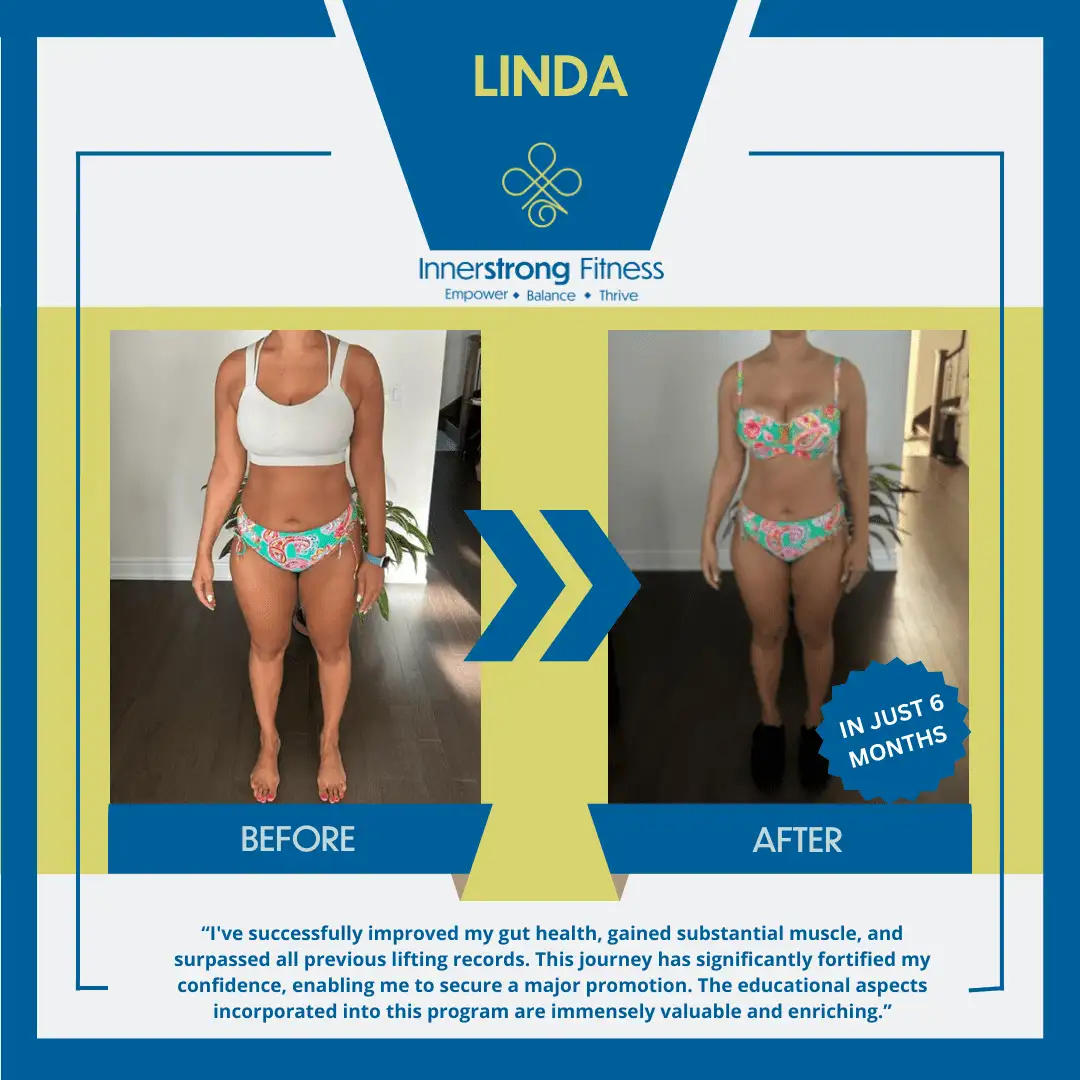
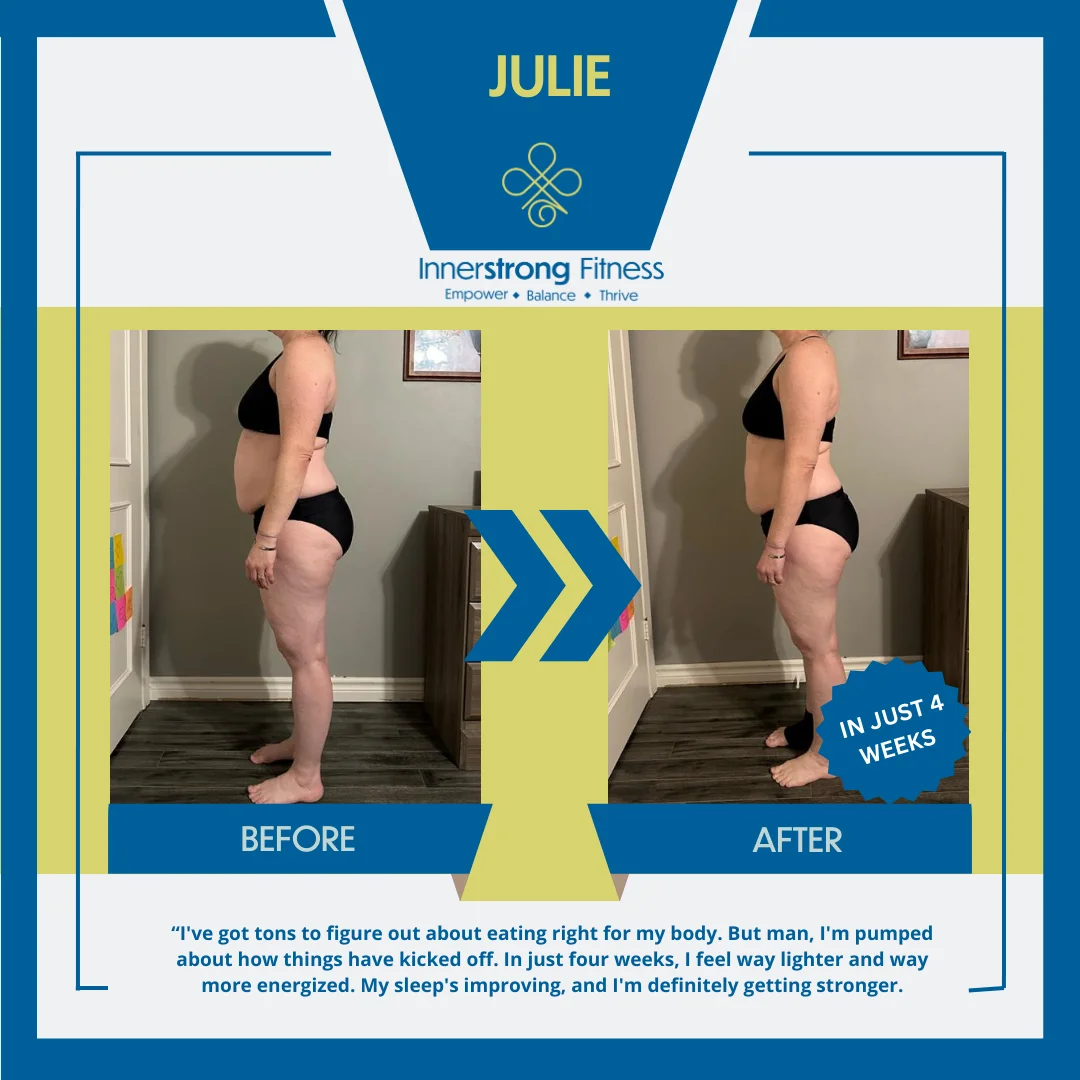
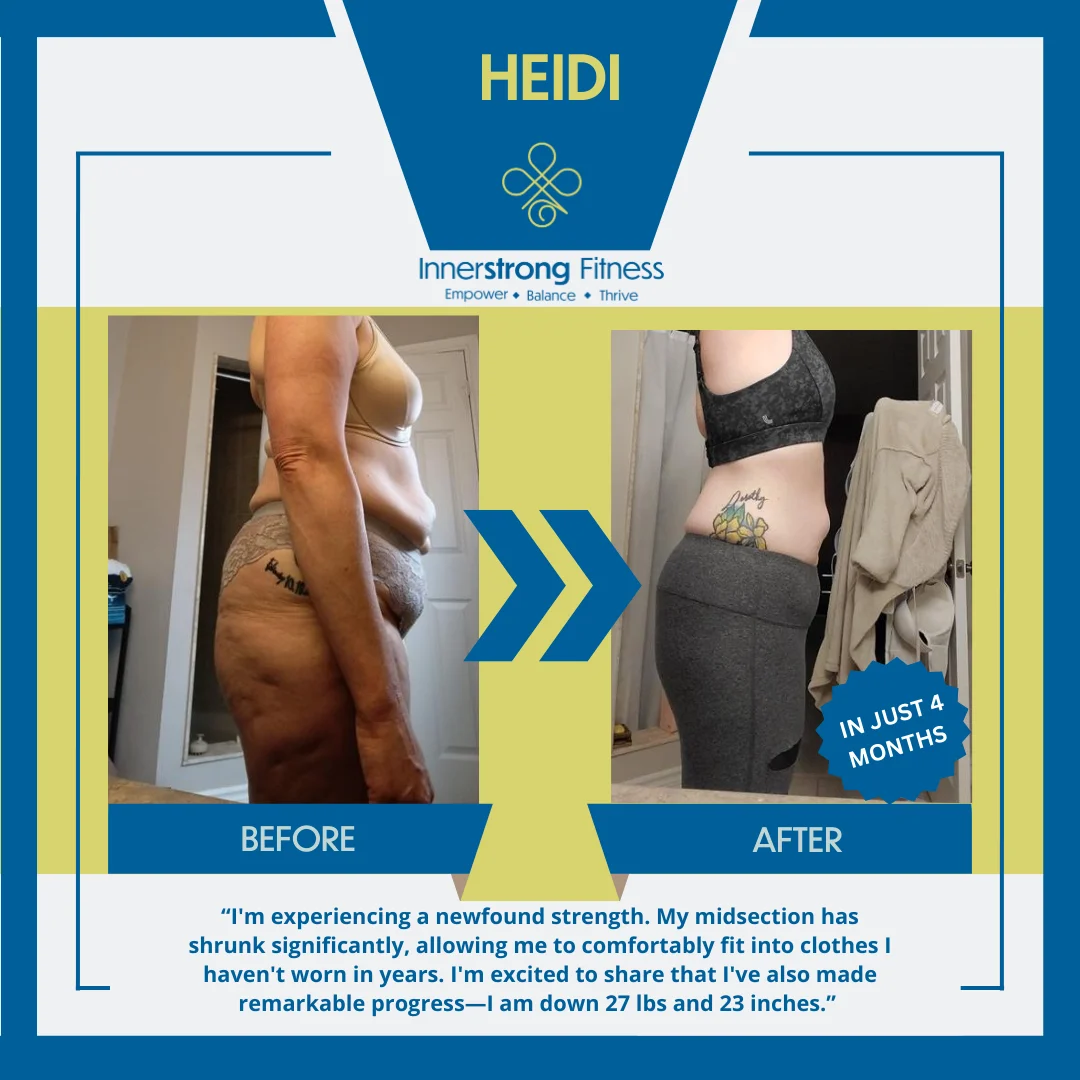
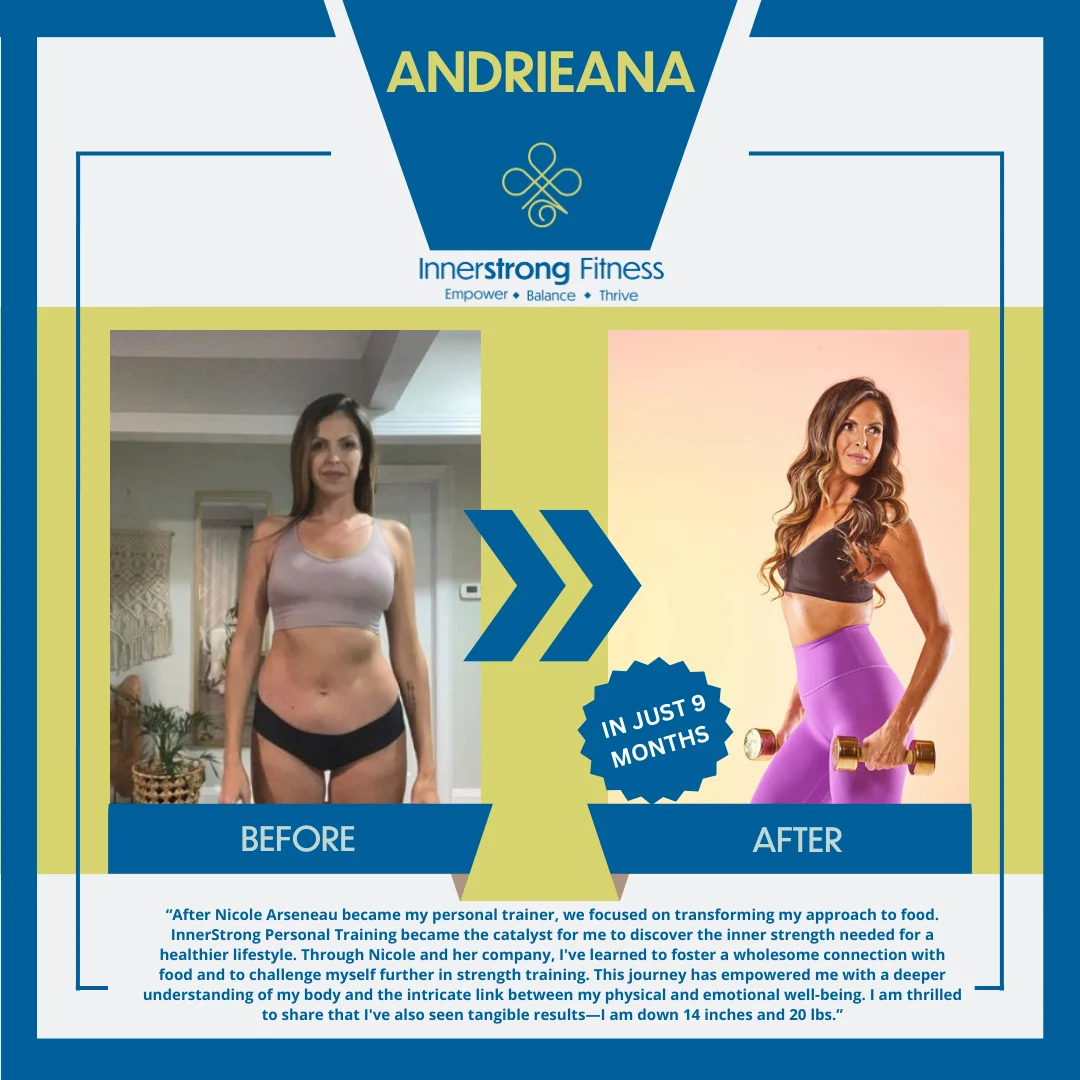
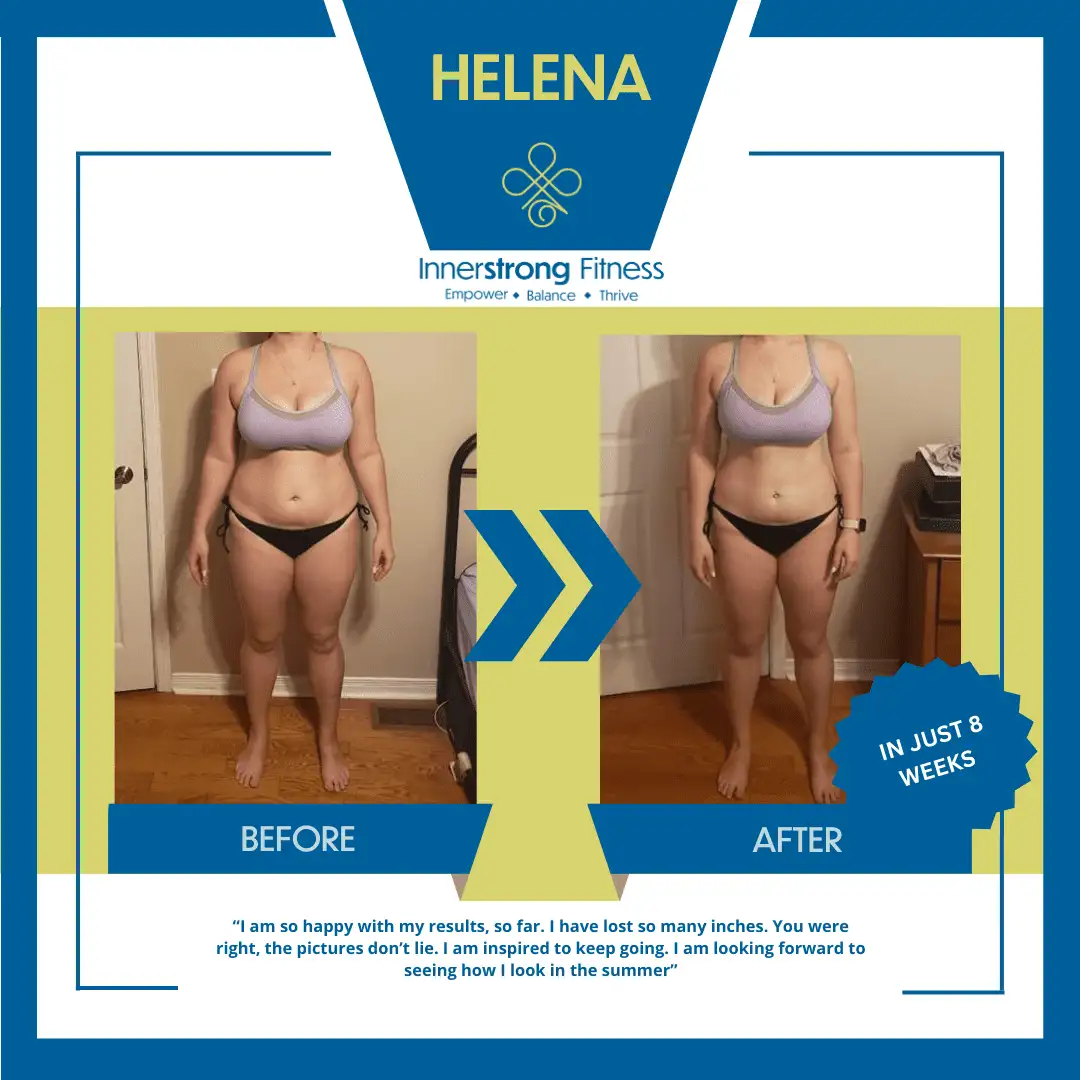
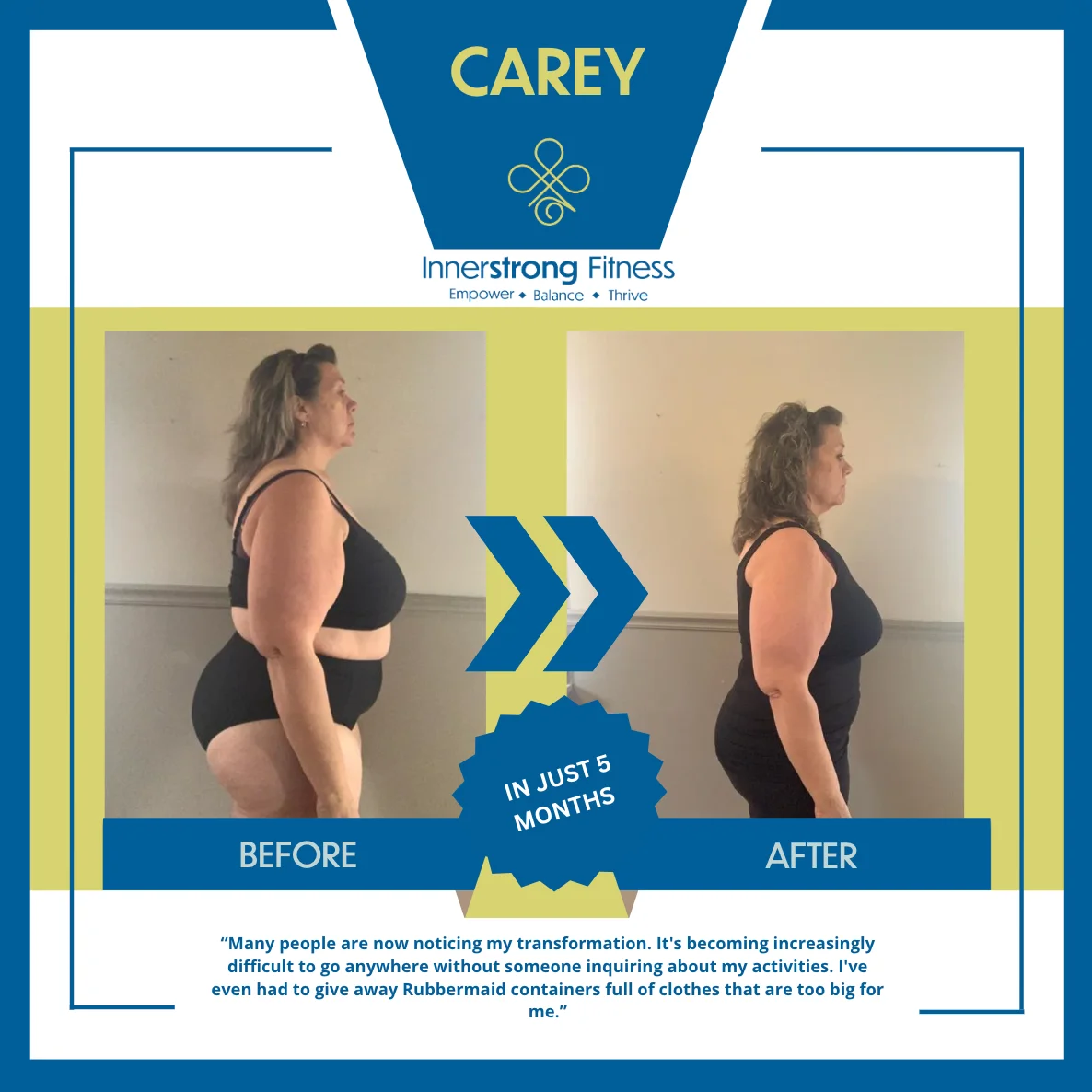
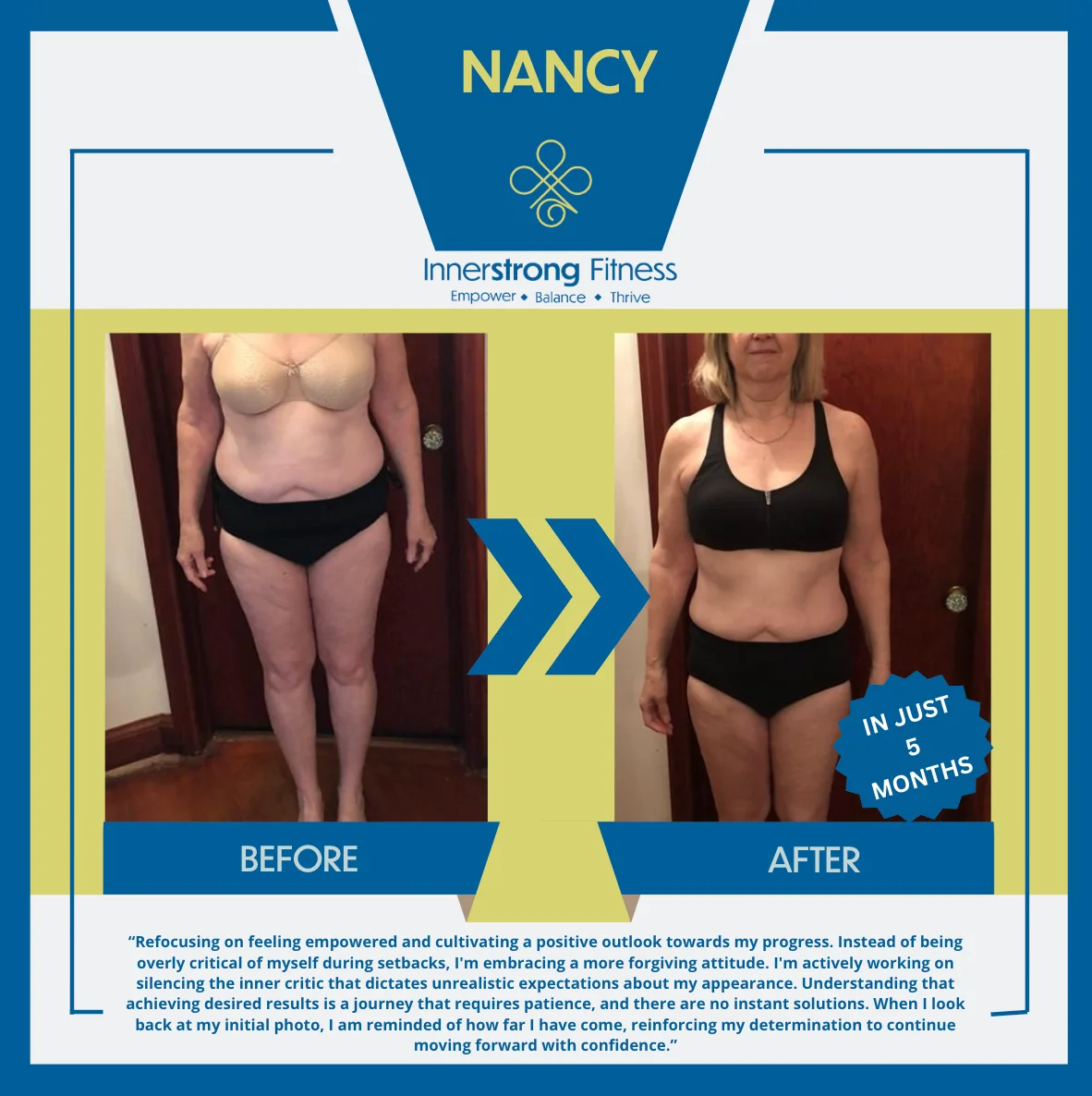
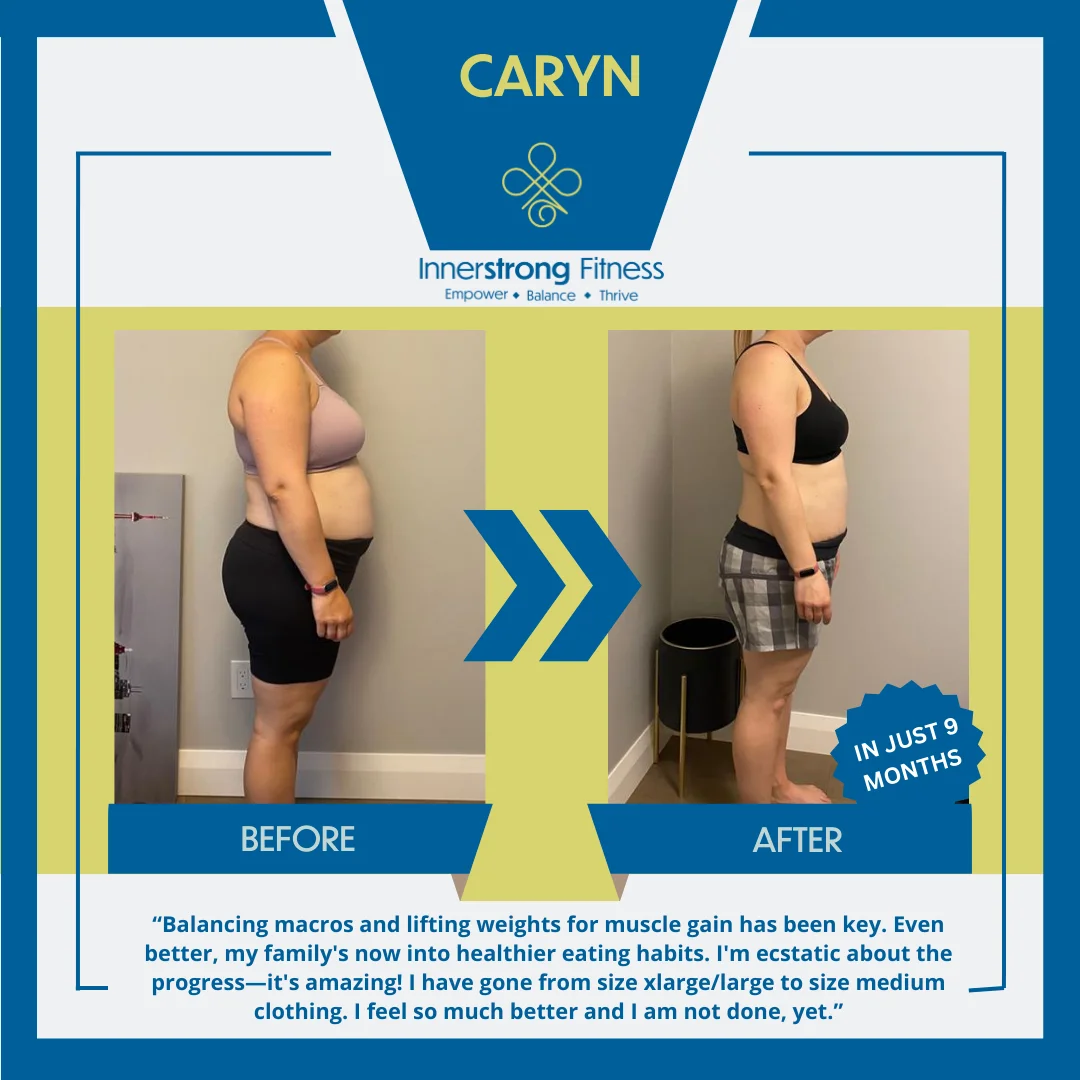
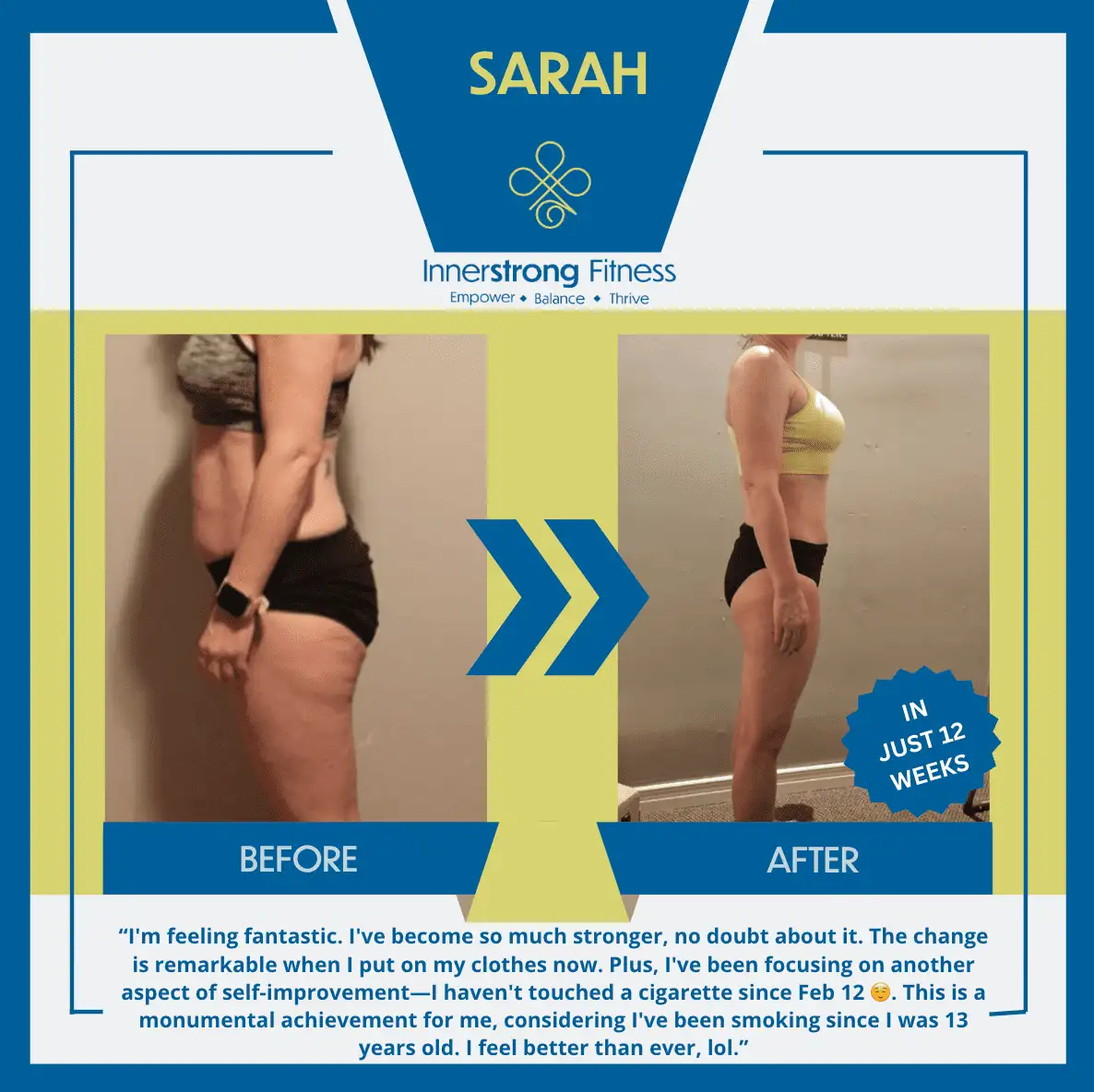
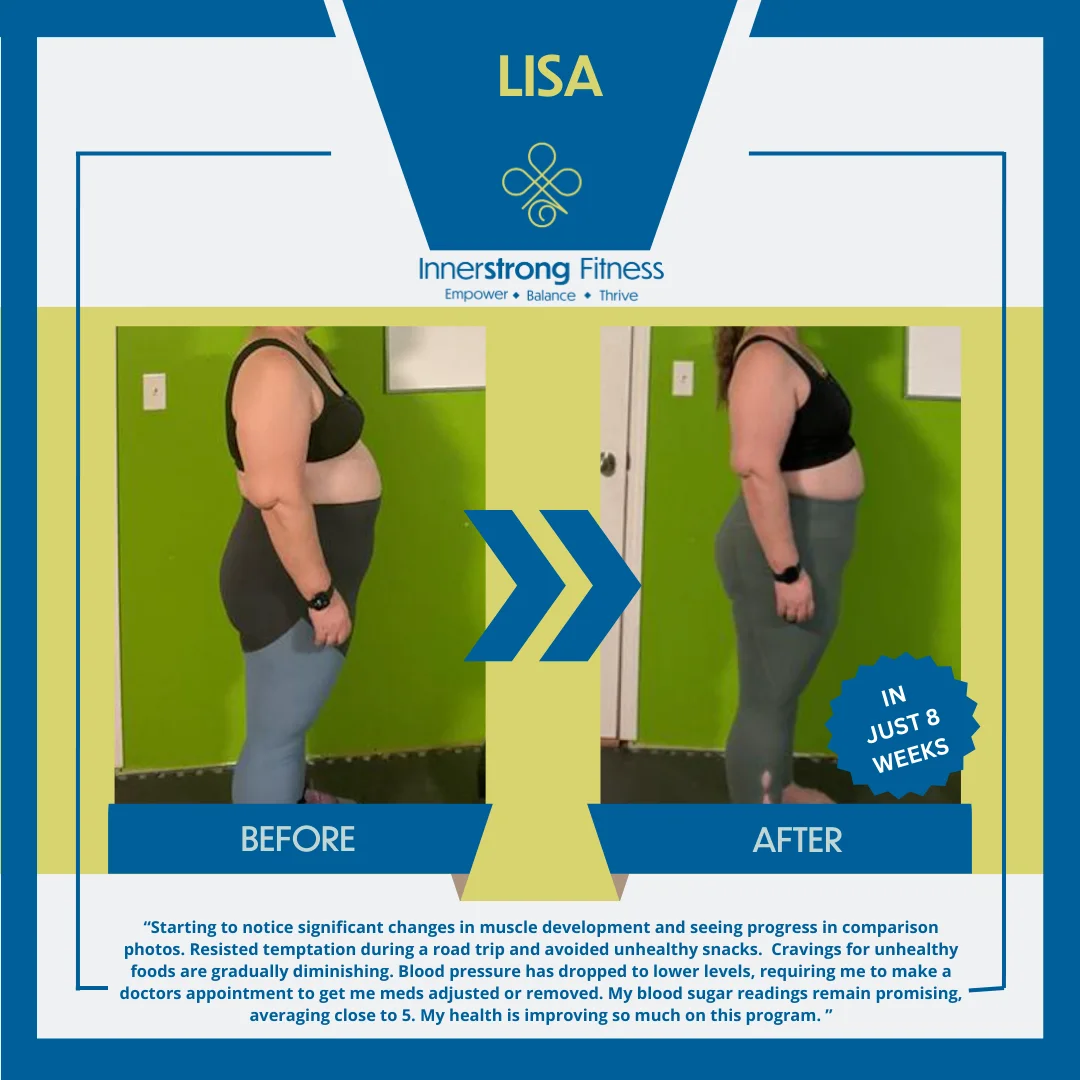
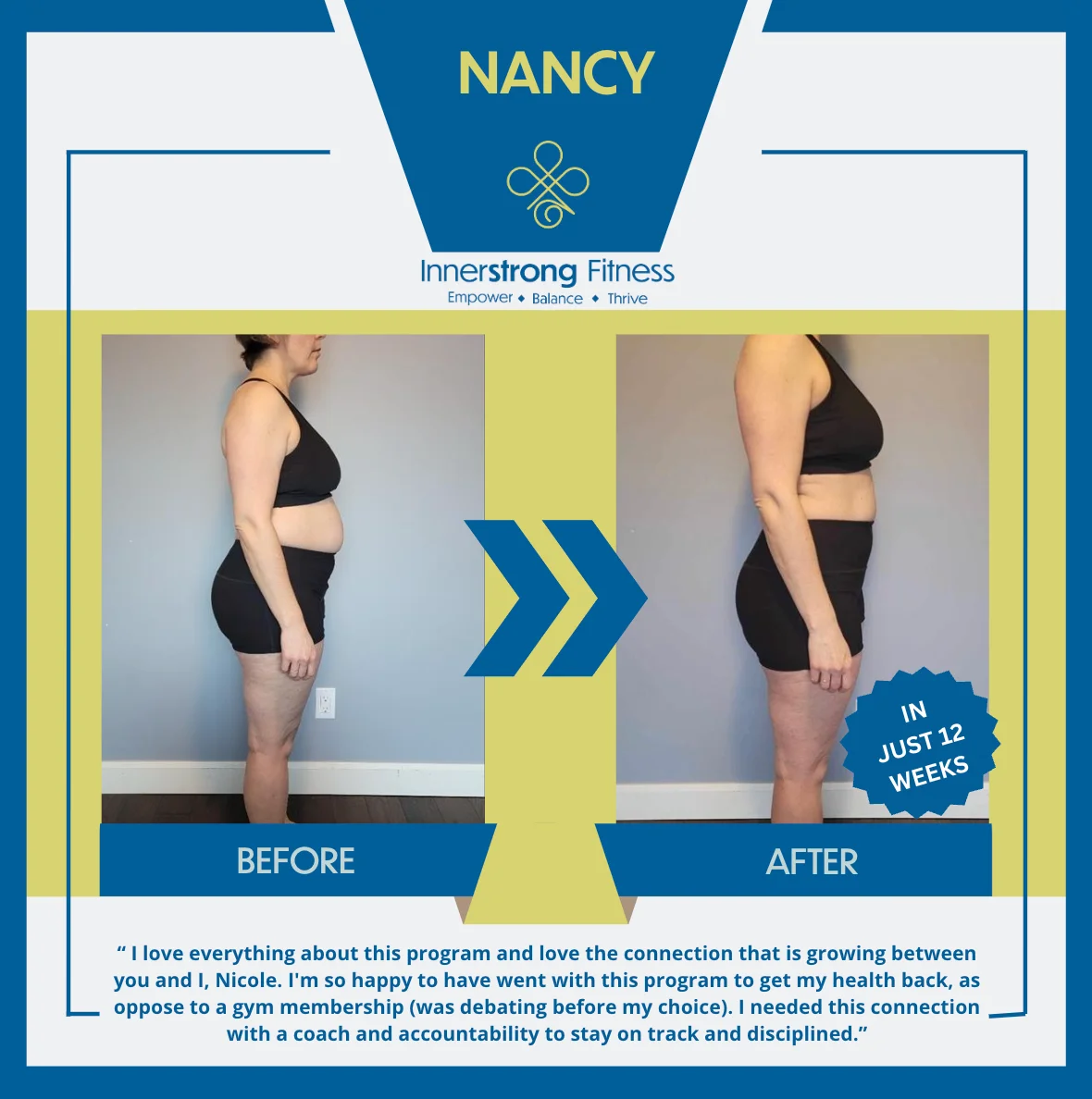
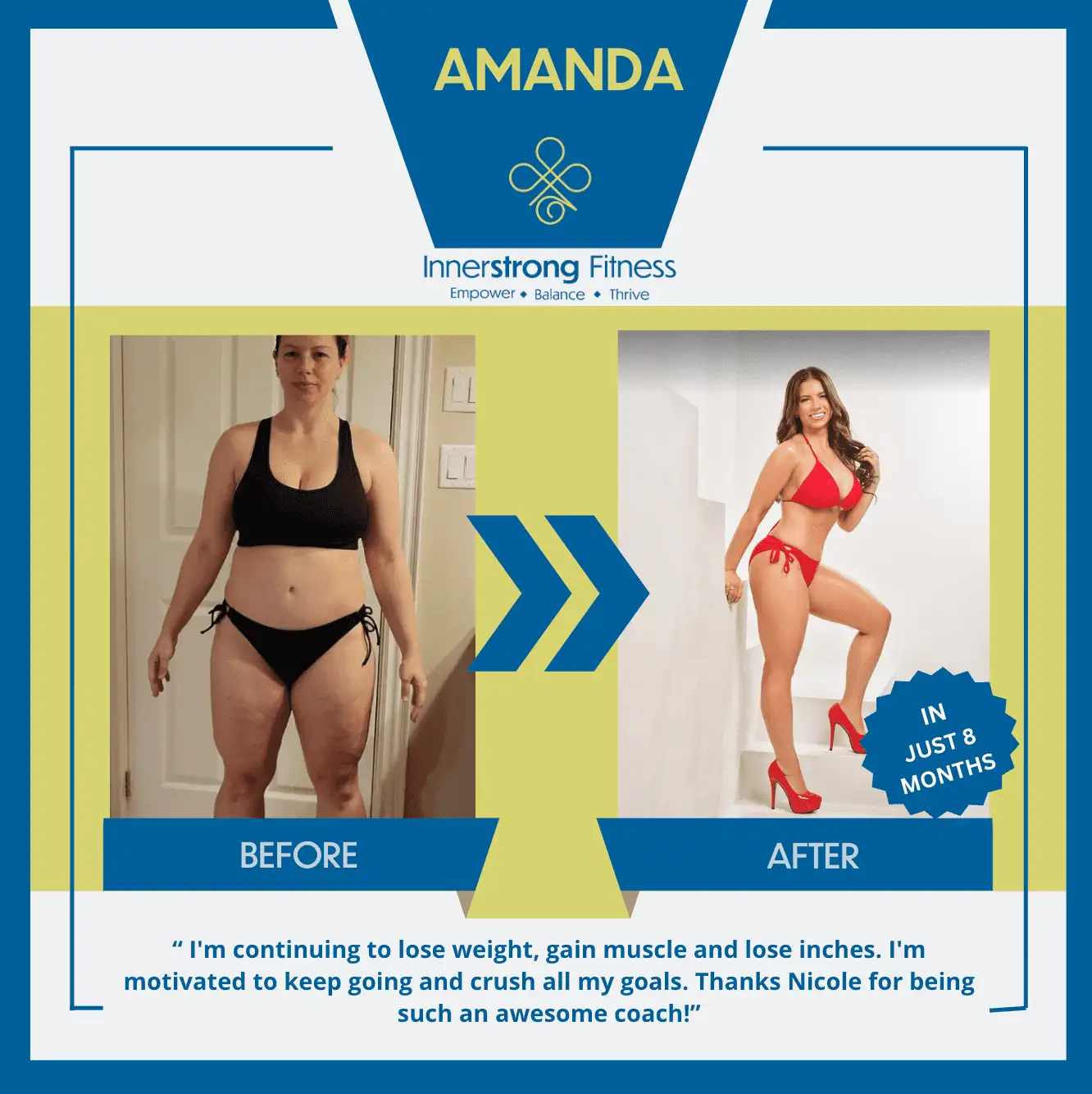
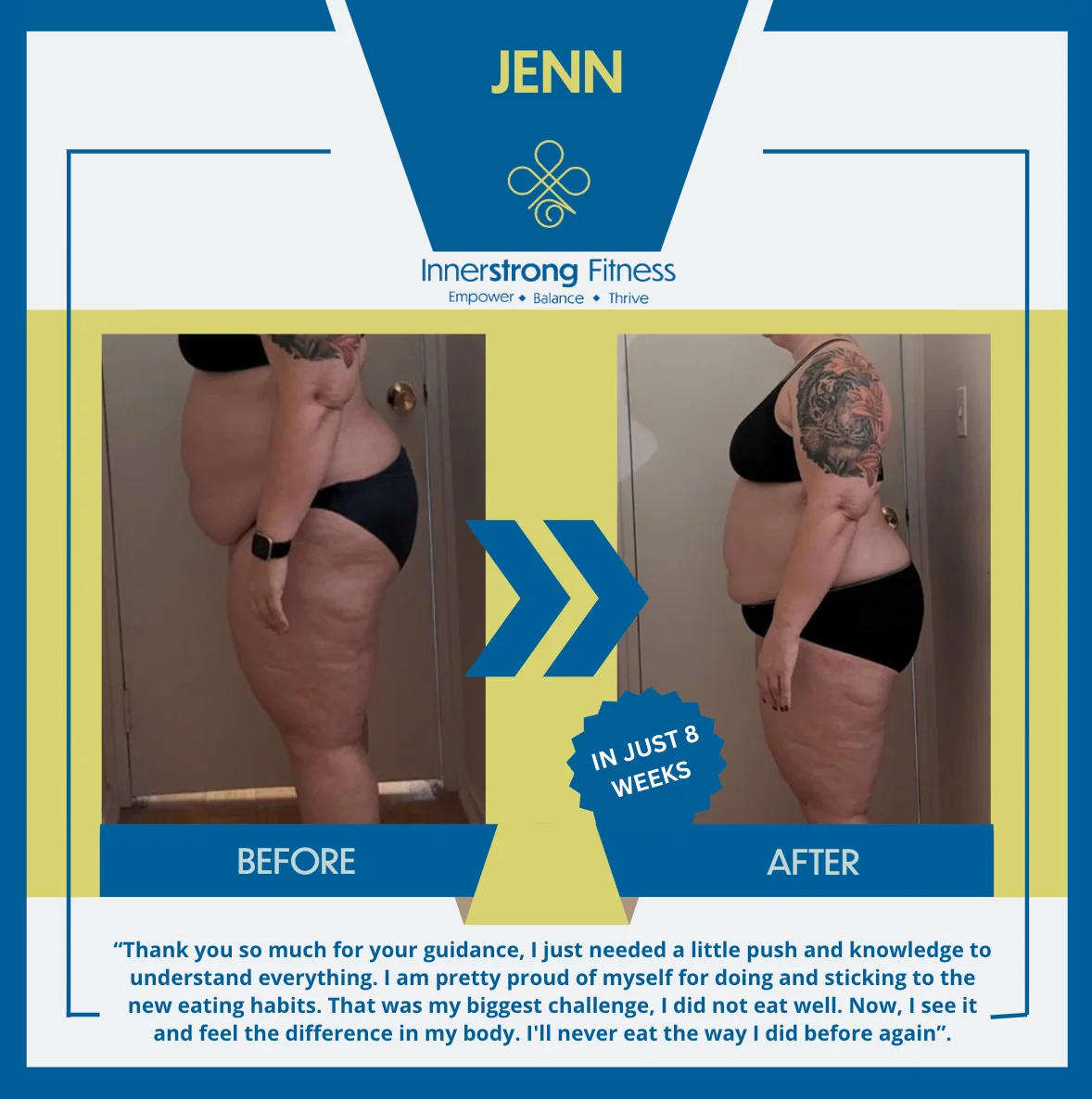
Personalized Menopause Fitness Plans Designed for Your Body
Every woman’s experience with menopause is different. Hormonal shifts can impact metabolism, muscle mass, bone density, sleep, and energy levels, which means a generic workout plan often isn’t effective.
Our menopause fitness plans are tailored specifically to your body, lifestyle, and goals. We start with a personalized assessment that looks at:
- Your current fitness level
- Body composition and strength
- Lifestyle and daily activity levels
- Menopause symptoms and challenges
- Your personal health and fitness goals
Using this information, we build a custom menopause fitness program that evolves as your strength, endurance, and confidence improve.
Benefits of Working With a Certified Menopause Fitness Coach
Working with a certified menopause fitness coach ensures that your workouts are designed specifically for the hormonal and physical changes that occur during menopause.
Our programs focus on improving overall health while helping you manage common menopause challenges.

Free Consultation
Book a no-pressure call to discuss your goals, symptoms, and what’s been holding you back. No obligation.

Weight Management Support
Targeted training helps address menopause-related weight changes and body composition shifts.

Improved Energy Levels
Structured fitness routines can help reduce fatigue and increase daily energy.

Bone and Joint Health
Strength and mobility exercises help protect bone density and support joint stability.

Confidence and Wellbeing
A structured fitness routine helps women feel stronger, healthier, and more confident in their bodies.
How Our Menopause Fitness Program Works
No Quick Fixes. No Punishment. No Cookie-Cutter Programs.
Menopause fitness shouldn’t be about doing more, pushing harder, or following the latest program. At Innerstrong, we take a different approach. Your training should work with your body—not against it. Our methodology is built around three pillars designed to help women build strength, improve fitness, manage stress, and create results they can actually sustain.
Sustainable Progress — Not Quick Fixes
Your body doesn’t need another extreme program. It needs a strategy you can consistently follow and adapt as your needs change.
We focus on building meaningful progress—not chasing rapid results that are difficult to maintain.
Strategic Training — Not Punishment
More exercise isn’t automatically better.
How you move matters just as much as how often you move. Our programs are designed around your goals, your current fitness level, and your ability to recover—so training becomes a tool for building strength and confidence, not something you have to survive.
Recovery & Stress Management — Not Cookie-Cutter Programs
Your training plan shouldn’t exist in isolation.
Sleep, stress, recovery, lifestyle, and your individual circumstances all influence how you feel and perform. That’s why we don’t believe in one-size-fits-all programs. Your program should fit your life—not force your life to fit the program.
Work With a Menopause Fitness Specialist
Whether your goal is to improve energy, lose weight, build strength, or simply feel better day-to-day, our personalized coaching helps you achieve lasting results.
The goal isn’t to train harder for the sake of training harder.
It’s to build a stronger, more capable body through intentional training, appropriate recovery, and a strategy you can sustain.
That’s what makes Innerstrong’s menopause fitness approach different: we don’t chase quick fixes. We don’t use exercise as punishment. And we don’t hand you a cookie-cutter program.
We build a plan around you.
Our programs are designed to support women through every stage of the menopause transition, helping you maintain a strong, healthy, and active lifestyle.
BONUS! Free Facebook Community – Fearless Journey Collective
A private group for support, tips, and community with like-minded women.
- Shared workout wins & meal ideas
- Motivation & encouragement
- Real friendships and accountability
Start Your Menopause Fitness Journey Today
FAQ About Our Menopause Fitness Program
How is a menopause fitness program different from a regular personal training program?
A menopause fitness program accounts for how your body, recovery, energy, body composition, and training needs can change during perimenopause and menopause. Instead of giving you a generic workout plan, your program is built around your current fitness level, goals, lifestyle, symptoms, preferences, and any physical limitations.
At Innerstrong, we focus on building and maintaining strength, supporting healthy body composition, improving consistency, and creating an approach you can realistically sustain. Your program can also be adjusted as your energy, schedule, fitness level, and needs change.
The goal isn’t to make you work harder simply because you’re in menopause. It’s to make your training more appropriate for where you are now.
Is this program suitable if I'm new to strength training?
Absolutely. You don’t need to be an experienced weightlifter to benefit from a menopause fitness program.
Your program is designed around your starting point, so if you’re new to strength training, you’ll begin with exercises and levels of resistance that match your current ability. As you become stronger and more confident, your training can progress with you.
If you’ve spent years putting everyone else first and haven’t made exercise a consistent part of your routine, that’s okay. The goal is to build a foundation you can maintain, not expect you to suddenly train like an athlete.
Do I have to lift heavy weights to benefit from menopause fitness?
No. Strength training is an important component of maintaining and building muscle as you age, but your program doesn’t need to start with heavy weights.
The appropriate resistance depends on your current strength, training experience, goals, movement ability, and how your body responds to exercise. Your coach can gradually increase the challenge as you become stronger.
The objective isn’t to see how much you can lift. It’s to progressively build strength in a way that is appropriate for you.
Can I participate if I have joint pain, previous injuries, or physical limitations?
Potentially, yes. Having a previous injury, joint discomfort, or physical limitation doesn’t automatically mean exercise is off the table. It does mean your program needs to take those factors into account.
Innerstrong can modify exercises based on your comfort, movement ability, training history, and preferences. Your program may incorporate mobility work, appropriate strength exercises, pacing, and modifications to help you train without unnecessarily aggravating an area that is bothering you.
However, coaching is not a substitute for medical assessment or treatment. If you have an injury, significant pain, or a medical condition that affects your ability to exercise, you should work with your healthcare provider as appropriate. Innerstrong can then help keep your fitness plan aligned with the recommendations you’ve received.
Why am I exercising but still gaining weight during menopause?
You’re not necessarily doing something wrong. Weight management can become more challenging during the menopause transition, and changes in body-fat distribution, muscle mass, activity, sleep, stress, nutrition, and age can all play a role. Weight gain around the midsection is also common during this stage.
That doesn’t mean exercise stops working. It means that continuing to use exactly the same approach you used years ago may not produce the same results.
At Innerstrong, we look beyond the scale. Your plan may combine strength training, nutrition strategies, daily activity, recovery, and sustainable habits based on your individual goals. We also look at other measures of progress, such as strength, measurements, fitness, consistency, and how you feel.
Can exercise help with menopause symptoms such as low energy, poor sleep and mood changes?
Regular physical activity can be an important part of supporting overall health and wellbeing during the menopause transition. But exercise isn’t a cure for menopause symptoms, and everyone’s experience is different.
That’s why Innerstrong doesn’t believe in simply pushing you through every workout regardless of how you’re feeling. Your program can take your energy, recovery, stress, sleep, and current capacity into account.
The goal is to help you establish sustainable movement and strength habits that support your overall wellbeing rather than treating exercise as another source of stress.
Do I need to stop doing cardio during menopause?
No. You don’t have to choose between strength training and cardiovascular exercise.
Aerobic activity can continue to be an important part of a well-rounded fitness routine, while strength training can help maintain and build muscle and support bone health. Current recommendations commonly include both aerobic activity and strength training.
The right combination depends on your goals, fitness level, preferences, recovery, and schedule. If you enjoy walking, cycling, running, swimming, or another form of cardio, your program can take that into consideration rather than automatically removing activities you enjoy.
How often do I need to work out?
There isn’t one number of workouts that is right for every woman.
Your training frequency should take into account your goals, current fitness level, schedule, recovery, and the other physical activity you already do. For general health, adults are generally advised to include regular aerobic activity along with muscle-strengthening activities at least twice per week.
At Innerstrong, the objective is to create a routine you can actually maintain. A plan that fits your real life is more useful than an ambitious schedule that leaves you exhausted or that you can’t consistently follow.
What happens if my menopause symptoms change or I don't have enough energy for a workout?
This is one of the reasons a personalized program can be more useful than a fixed workout plan.
Your energy, sleep, stress, recovery, and symptoms may not be exactly the same every week. Instead of viewing that as failure, your coaching can take those changes into consideration. Exercises, intensity, volume, or pacing may be modified when appropriate.
Innerstrong’s approach is designed around adapting the plan as your body and circumstances change, rather than expecting you to perform identically every week.
If you’re experiencing persistent or concerning symptoms, however, it’s important to discuss them with an appropriate healthcare professional rather than assuming they’re simply part of menopause.