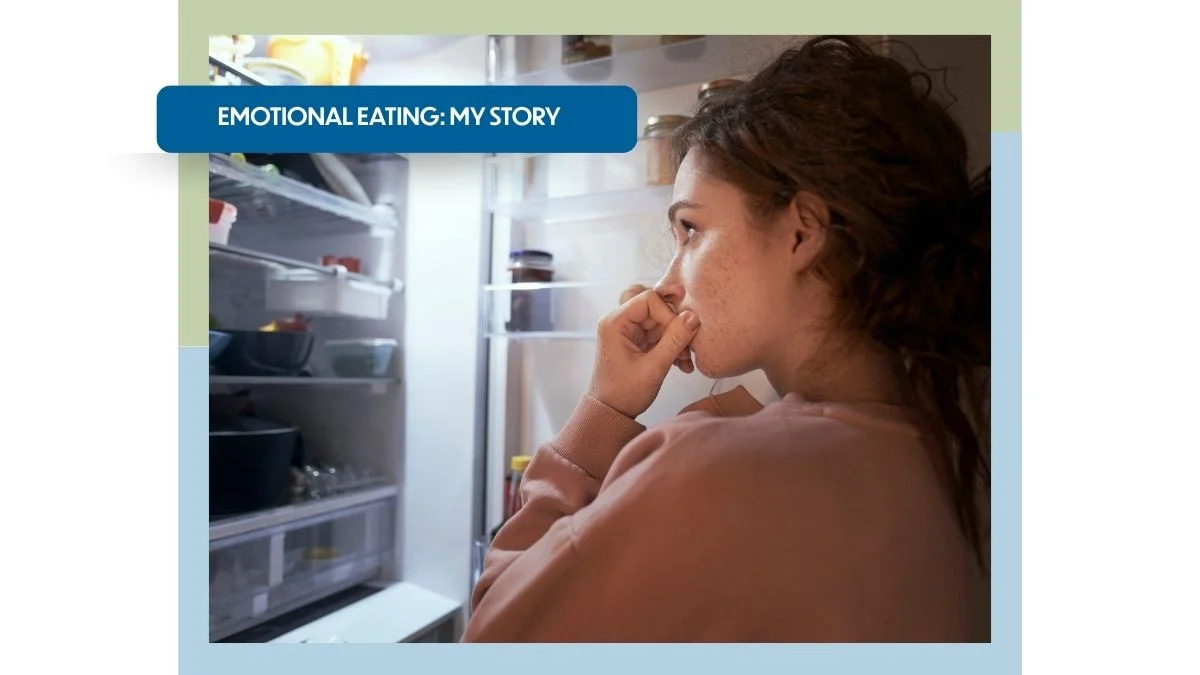
For as long as I can remember, food was my refuge. It was my most reliable source of comfort long before I had the words to understand what I was feeling. A tough day at school was soothed with ice cream. Anxiety before a big event was numbed with a bag of chips. Loneliness was filled with whatever I could find in the kitchen.
This pattern followed me into adulthood, evolving into a painful and exhausting cycle. A difficult emotion would trigger an intense craving, I’d eat to find relief, and for a short time, it would work. But the relief was always followed by a crushing wave of guilt and shame. That shame would just create more negative emotions, which I’d then try to manage with… You guessed it, more food. I felt completely trapped. I wasn’t eating because I was hungry; I was eating to fill emotional voids I didn’t know how to address directly.
My turning point came after years of trying every diet imaginable. I thought if I could just find the right set of rules, the right meal plan, I could “fix” myself. But they all failed, because I was trying to solve the wrong problem. My eating wasn’t about a lack of discipline; it was about unprocessed emotions and unmet needs.
This realization sent me on a new path—one of psychology, mindfulness, and true self-discovery. It was a long and winding road, but I gradually built a toolkit of strategies that allowed me to finally break free. I learned to recognize my triggers, to sit with difficult feelings without reaching for food, and to nourish myself in ways that had nothing to do with eating.
I created the Emotional Eating Workbook because it’s the resource I wish I’d had all those years ago. It’s a culmination of my personal journey and the professional experience I’ve gained helping so many other women find the same freedom.
Why Traditional Diets and “Willpower” Always Fail
So many approaches to emotional eating focus only on the food. They give you meal plans and calorie targets and tell you to “just stop”. This is like trying to fix a leaky pipe by constantly mopping the floor instead of finding the source of the leak. These surface-level strategies are destined to fail because they ignore the root cause: the emotional undercurrents driving the behavior.
Emotional eating is not a food problem; it’s an emotional regulation strategy. Food has become your coping mechanism. Until you develop a new set of tools to manage your emotions, your brain will always revert to the one that has worked (in the short term) for years.
What Makes This Workbook Different? A Root-Cause Approach
This workbook is fundamentally different because it’s not about controlling your eating; it’s about healing your relationship with your emotions.
-
It Addresses Root Causes, Not Just Symptoms:
We go beyond the food and guide you to identify the underlying emotional patterns, belief systems, and unmet needs that are at the heart of your eating habits.
-
It’s Grounded in Self-Compassion:
There is no shame or criticism here. Research consistently shows that self-compassion, not self-blame, is the key to sustainable change with emotional eating. This workbook teaches you to be kind to yourself, which is what finally breaks the shame-binge cycle.
-
It’s Built from Lived Experience:
This isn’t just theory. Every single exercise and technique is something I have used in my own recovery and refined over years of helping clients with the same struggles. I know what works in the real world, when life is messy and stressful.
-
It Integrates Proven Therapeutic Techniques:
The workbook combines powerful, evidence-based tools from multiple therapeutic approaches, including Cognitive Behavioral Therapy (CBT), mindfulness, and somatic (body-based) practices to provide a truly holistic path to healing.
A Look Inside: Your Roadmap to Freedom
The 60-page workbook is a structured yet gentle journey of self-discovery. Inside, you will find:
-
Self-Assessment Tools:
To help you identify your unique emotional eating patterns, triggers, and underlying needs, create a personalized roadmap for your journey.
-
Emotional Awareness Exercises:
To teach you how to recognize, name, and understand your feelings without judgment—the foundational skill for breaking the cycle.
-
Mindfulness Techniques:
Practical exercises to help you create that crucial space between an emotional trigger and your response, allowing you to choose a new path.
-
A Toolkit of Alternative Coping Strategies:
An extensive collection of non-food coping mechanisms you can turn to when difficult emotions arise, so you can meet your needs directly.
These tools have helped so many women like “Elena,” who shared that the self-compassion approach was revolutionary for her. She said, “I’d tried so many programs that only made me feel worse about myself… Learning to treat myself with kindness broke the shame-binge cycle”.
Healing your relationship with food is ultimately about healing your relationship with yourself. It’s about finally giving yourself the understanding and compassion you’ve always deserved.
If my story resonates with you, and you’re ready to stop fighting and start healing, I invite you to begin your journey.
Get your copy of the Emotional Eating Workbook today.
And if you feel you need more personalized, one-on-one support, I am always here to help. Book a complimentary discovery call with me today to see if coaching is the right next step for you.