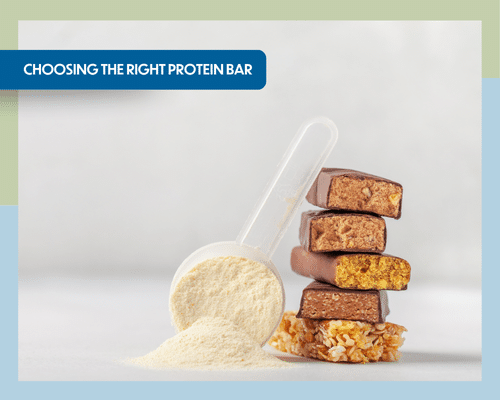
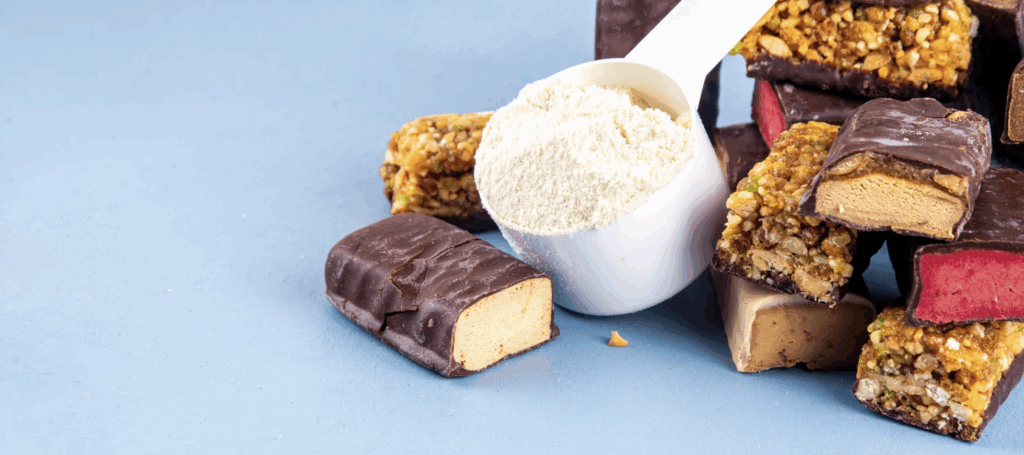
In the world of fitness and nutrition, protein bars have become a staple for many. Their convenience and portability make them an attractive option for those looking to support their training goals. However, with the myriad of choices available, selecting a protein bar that truly aligns with your fitness objectives can be challenging. This article delves into the key factors to consider when choosing a protein bar that genuinely supports your training regimen.
The Importance of Protein-to-Sugar Ratio
For those focused on muscle building or improving body composition, the protein content of a bar should take centre stage. A useful metric to consider is whether the bar contains at least twice as much protein as sugar. This balance ensures that you’re primarily getting the muscle-supporting nutrients you need, rather than excess sugar that may not align with your goals.
Whole Food Ingredients: Your Gut’s Best Friend
Here’s something I’ve learned from my years in functional medicine: what works for one person might not work for another. Some of you might do just fine with bars packed with sugar alcohols and artificial flavors. Others? Not so much.
If you’ve ever felt bloated or uncomfortably full after a protein bar, it might be worth exploring options with simpler, whole food ingredients. Think sweet potato, almond flour, and natural sweeteners like coconut nectar. These can often sit better in your stomach, especially if you’re snacking before a workout.
The Whey Forward
When it comes to building muscle, whey protein concentrate is still the reigning champ. It’s complete, easily digested, and packed with leucine – the amino acid that really gets those muscles growing.
But here’s where it gets interesting: some bars blend different protein sources to up their protein content. This can be great, depending on your goals. Just pay attention to how your body responds. And if you’re relying on these bars as a primary protein source, be wary of options that lean heavily on collagen or plant-based proteins alone. They’re not bad, but they might not give you the complete amino acid profile you’re after.
Texture, Flavour, and the Joy of Eating
Let’s not forget the importance of actually enjoying what you eat. A protein bar that feels like you’re chewing on a tire? Not exactly motivating. Look for bars with a texture that feels more like real food – maybe with a bit of crunch from nuts or a soft, cookie-dough like consistency.
And flavor matters, folks. You don’t need every bar to taste like it came straight out of a bakery, but if eating it feels like a chore, it’s not going to become a regular part of your routine.
When to Reach for That Protein Bar
In my world of flexible dieting, protein bars have their time and place:
- As a pre-workout snack when I’m short on time
- A midday protein boost when I’m falling behind on my goals
- A smarter dessert option when I’m craving something sweet but still want to hit my macros
- Sometimes, I’ll even split one in half to keep calories in check while staying satisfied
Could you get the same nutrients from whole foods? Absolutely. But let’s be real – sometimes convenience wins. The key is knowing what you’re putting in your body and how it fits into your overall nutrition plan.
The Bottom Line
Choosing a protein bar is personal. Some of you might prefer to avoid artificial ingredients, while others don’t mind them if it means better flavour or fewer calories. There’s no one-size-fits-all answer here.
What matters is this: Does the bar keep you full? Does it help you hit your protein goals? And perhaps most importantly, do you enjoy it enough to eat it regularly? If you can answer yes to these questions, you’ve found yourself a winner.
Remember, at Innerstrong Fitness, we’re all about finding what works for you. Your journey to optimal health is unique, and sometimes, the right protein bar can be a small but mighty ally in that journey.
Stay strong, stay balanced, and keep fueling your inner strength!