Recovery methods have become almost as trendy as the workouts themselves. From the ice baths that fill social media feeds to the infrared saunas found in high-end wellness centers, athletes and weekend warriors alike are constantly searching for ways to bounce back faster.
But in the quest for optimal recovery, one crucial question is often overlooked: does the order of heat and cold exposure truly matter?
Emerging evidence and centuries of traditional practice suggest that it does. Applying heat before cold, a practice commonly known as contrast therapy, can create powerful effects for circulation, muscle recovery, and even mental resilience.
The Physiology of Heat: Opening the Gates
Beginning your recovery session with heat is a foundational step. Heat exposure, whether from a sauna, a hot bath, or a heating pad, works by dilating blood vessels and encouraging increased circulation. As your body heats up, muscles begin to relax, stiffness eases, and tissues become more pliable. This increased blood flow serves a dual purpose: it delivers essential nutrients to damaged muscle fibers and accelerates the removal of metabolic waste products that accumulate during exercise.
In addition to these physical effects, heat exposure primes the nervous system for relaxation. For example, heart rate variability often improves after a sauna session, which indicates a shift toward parasympathetic dominance—the body’s natural “rest and digest” state. Starting with heat effectively sets the stage, loosening the entire system and preparing it for what comes next: the cold plunge.
Cold Exposure: The Shock That Heals
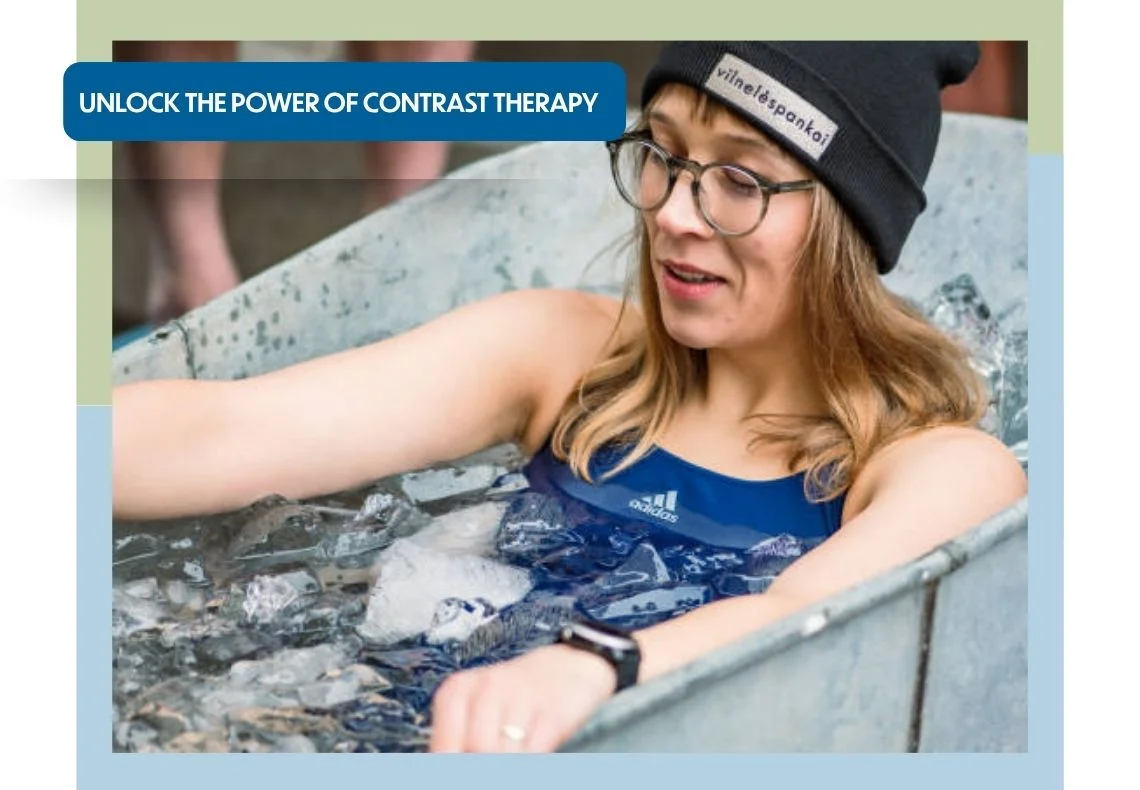
After a period of heat, cold immersion or the use of ice packs triggers a different physiological response: vasoconstriction. This narrowing of blood vessels helps reduce inflammation. The sharp contrast from the heat to the cold creates a powerful pumping effect, much like squeezing and releasing a sponge. This vascular “workout” significantly enhances circulation efficiency, a benefit that neither heat nor cold can achieve on its own.
Cold exposure also activates the sympathetic nervous system, leading to the famous adrenaline rush that makes cold plunges both intimidating and invigorating. For athletes, this helps to reduce muscle soreness and accelerates their readiness for the next training session. For everyday individuals, the practice can sharpen mental alertness and build resilience to stress.
Why Order Matters: Heat First, Cold Later
The order of your contrast therapy matters profoundly. Applying cold before heat tends to lock in stiffness. Muscles tighten, circulation slows down, and tissues may remain restricted.
By reversing the order and starting with heat, you first expand the vascular system, encourage nutrient delivery, and loosen your tissues. Only after this preparation does the cold come in to contract the vessels, push waste products out, and reduce swelling. Think of it like a warm-up before a workout or stretching a muscle before strength training. Preparation matters. In the same way, starting with heat maximizes the benefits of the cold that follows. Traditional Nordic cultures, who pioneered the sauna-to-snow ritual, understood this rhythm intuitively centuries ago , and modern physiology now explains exactly why it works so well.
Applications in Training and Recovery
Contrast therapy is not just for professional athletes; it can be integrated into the routines of anyone looking to improve their recovery.
Strength Athletes:
A post-lifting routine of a sauna session followed by a cold plunge can effectively reduce delayed-onset muscle soreness (DOMS) and speed up recovery between heavy training sessions.Endurance Athletes:
Runners and cyclists can benefit from improved circulation and reduced inflammation after long training bouts.Everyday Fitness Enthusiasts:
Even a simple hot shower followed by a short cold rinse can mimic the effect, boosting circulation and providing a sense of mental clarity.
For general recovery, a recommended cycle is typically 10-15 minutes of heat followed by 2-3 minutes of cold. Multiple rounds can be performed, but even one round can provide noticeable effects.
The Mental Edge: Stress Inoculation
Beyond the physical benefits for muscles, contrast therapy is a powerful tool for training the mind. The deliberate act of moving from the comfort of heat to the shock of cold forces you to practice calmness under stress. This intentional exposure to discomfort builds psychological resilience, teaching your nervous system not to overreact in high-stress environments. Many consistent practitioners report experiencing greater focus, emotional steadiness, and improved sleep. In demanding professions—whether in athletics, business, or creative work—this ability to remain composed under pressure may be just as valuable as the physical recovery itself.
Safety and Considerations
While contrast therapy is safe for most people, certain health conditions warrant caution. Individuals with cardiovascular disease, hypertension, or those who are pregnant should consult a medical professional before attempting heat or cold extremes. Beginners should also start conservatively, using shorter durations and moderate temperatures, before gradually progressing to more intense sessions.
It is also important to remember that contrast therapy should not replace fundamental recovery practices like proper sleep, good nutrition, and balanced training. Think of it as a powerful complement, not a cure-all.
A Ritual for Body and Mind
At its core, contrast therapy is less about chasing extremes and more about creating a rhythm. Heat opens, and cold closes. Expansion is followed by contraction, and relaxation is followed by resilience. When sequenced intentionally—heat first, then cold—this practice enhances recovery, strengthens the nervous system, and instills a sense of balance. Whether you have access to a sauna and ice plunge or are simply ending your daily shower with a cold rinse, this ancient practice remains strikingly relevant today. It serves as a powerful reminder that performance isn’t just built in the gym, but also in the deliberate ways we choose to recover.
Summary
This blog post explains the benefits and proper application of contrast therapy for recovery, emphasizing the importance of doing a heat session before cold exposure. It details how heat dilates blood vessels to promote circulation and nervous system relaxation, while cold triggers vasoconstriction to reduce inflammation. The combination creates a powerful “pumping effect” for improved vascular efficiency. The article highlights that this technique not only aids in physical recovery for athletes and everyday people but also builds mental resilience by teaching the body to stay calm under stress. It also provides important safety considerations and recommends viewing contrast therapy as a complement to fundamental wellness practices like sleep and nutrition.
Ready to try a new approach to your fitness and recovery?
Join our VIP Retreat Spa Getaway on the weekend of October 18th. Everyone books their own experience. Choose your massage, add-ons, or thermal pass. Arrive by 10:00 AM and stay until 2:00 PM. Book your preferred spa services today!
Looking for a quick, effective way to get started?
Contact me to learn more about strategies that can help you refresh your body and mind, putting you on the path to better recovery and long-term vitality. We’ll share valuable insights and resources to help you maintain your momentum.