Water is crucial to health and accounts for 55-75% of your body composition. However, water retention is a common problem that can cause swelling, aches, and weight gain. If you’re holding excess water, you could be carrying an extra five to ten pounds at any given time, with some extreme cases reporting up to 88 pounds of edema. This comprehensive guide from Innerstrong Fitness explores what water weight is, safe methods to reduce it, practices to avoid, risk factors, and prevention strategies. By making simple lifestyle modifications, you can effectively drop water weight and keep it off for good while maintaining optimal health.
Understanding Water Weight
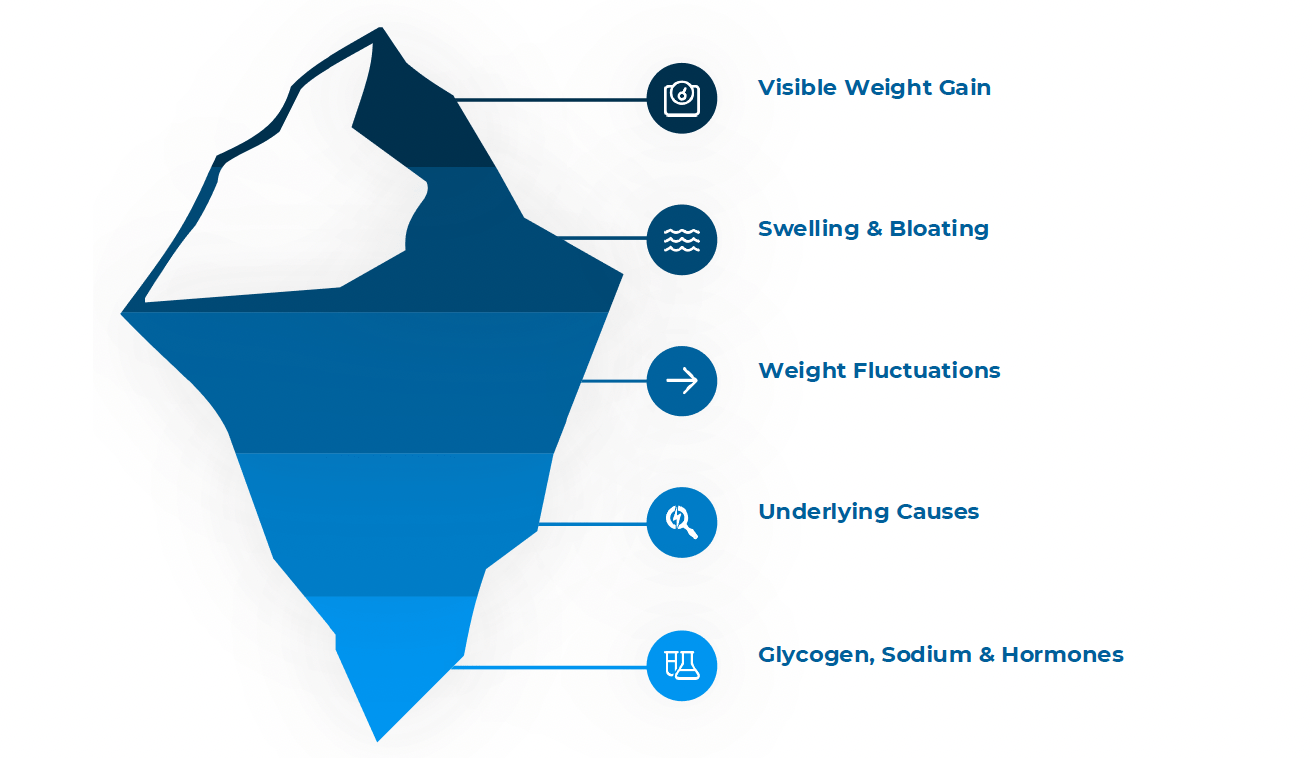
Before discussing how to reduce water weight, it’s important to understand what water retention is and its causes. When you eat carbohydrates, many are converted into glucose for energy. The leftover glucose is converted into glycogen, which is stored in the liver and muscle cells for later use when you need more energy.
Glycogen holds a significant amount of water. Research shows that for each gram of glycogen stored, there are three grams of water attached to it. This can add up to considerable extra weight on your body.
Exercise to Reduce Water Weight

Physical inactivity is one of the main culprits of water retention. Getting up and moving is a simple way to help reduce water weight quickly and prevent body tissues from holding onto excess water, particularly in your feet and ankles.
Exercising helps you lose water weight by burning up glycogen to provide energy. This not only depletes the glycogen stored in your liver and muscles but also removes all the water attached to it, resulting in water weight loss.
This doesn’t mean you need to engage in intense workouts twice daily to prevent water weight buildup. Any form of physical activity is beneficial. Try incorporating exercise hacks into your daily routine, such as:
- Using stairs instead of elevators
- Taking walks during lunch breaks
- Getting up from your desk or couch for quick stretches once an hour
- Engaging in light cardio activities like swimming or cycling
Dietary Approaches to Reduce Water Retention
Monitor Your Sodium Intake
Sodium plays a major role in fluid regulation, so decreasing your sodium intake will help reduce water retention. The Dietary Guidelines for North Americans recommend limiting daily sodium intake to less than 2,300 milligrams per day, equal to about one teaspoon.
Surprisingly, the salt shaker isn’t the main source of sodium in the diet. An estimated 77 percent of sodium in the average diet comes from processed foods. Foods like canned meats, cold cuts, cheeses, frozen meals, soups, and savoury snacks can contain significant amounts of added sodium.
Protein Intake
Protein plays a crucial role in maintaining fluid balance and keeping water and salt from leaking into body tissues. Aim for one gram of protein for each kilogram of body weight. Someone weighing 150 pounds (68 kilograms) should consume at least 120 grams of protein daily.
Good sources: seafood, poultry, lean cuts of beef, eggs, beans and legumes. Choose fresh meats and low-sodium varieties of canned beans.
Potassium-Rich Foods
Potassium is involved in fluid balance and may aid in water loss by increasing urine output and decreasing sodium levels. Studies show restricting potassium intake leads to increased water retention and blood pressure.
Aim for at least 4,700 milligrams of potassium daily from foods like leafy green vegetables, bananas, potatoes, avocados, and tomatoes.
Magnesium-Rich Foods
Magnesium helps regulate fluid balance by increasing urine production. Studies found that supplementing with 200 milligrams of magnesium for two months decreased premenstrual symptoms related to water retention.
Most adults need 310–420 milligrams of magnesium daily from sources like spinach, chard, avocados, almonds, and black beans.
The best way to reduce sodium intake is to include mostly whole, unprocessed foods in your diet. When consuming canned or processed foods, opt for low-sodium varieties whenever possible to minimize sodium content.
Hydration: The Key to Reducing Water Weight
It may seem counterintuitive, but staying well-hydrated can actually help flush out excess water from the body and reduce fluid accumulation quickly and easily. When you’re properly hydrated, your body doesn’t need to hold onto water, allowing it to release excess fluid more readily.
You should typically aim to drink between 25 percent to 50 percent of your body weight in ounces of water each day. For example, if you weigh 160 pounds, you should consume between 40 to 80 ounces of water daily, depending on your activity level and climate.
Keeping well-hydrated can help flush out water from the body and cut down on fluid accumulation quickly and easily.
If you’re looking to increase your water intake, try these strategies:
- Drink a glass of water 30 minutes before each meal and snack
- Set a timer to remind yourself to drink regularly
- Carry a reusable water bottle with you throughout the day
- Use smartphone apps to track your water consumption
- Flavour water with fresh fruit or herbs, if you find plain water unappealing
Besides drinking plenty of water, you can also focus on eating hydrating foods. Fruits and vegetables are excellent choices, with watermelon, celery, strawberries, cucumber, and lettuce being among the most hydrating foods available. These foods not only provide water but also essential nutrients that support overall health and proper fluid balance.
Unsafe Methods to Avoid
Diuretics
While diuretics can cause water loss, they can lead to dangerous electrolyte imbalances. Side effects include muscle cramps, confusion, dry mouth, drowsiness, fatigue, and even heart palpitations.
Laxatives
Using laxatives for weight loss is dangerous and ineffective for long-term water weight management. They can cause dehydration, electrolyte disturbances, and digestive system damage.
Extreme Fad Diets
Severely restrictive diets may cause quick water loss but produce only temporary results. As soon as you resume normal eating, you’ll regain the water weight—often more than before.
Do a quick internet search for how to lose weight quickly, and you’re bound to find plenty of unhealthy fad diets and quick fixes that involve severely limiting your intake to drop a few pounds. These approaches are not only ineffective in the long run but can also be dangerous.
The use of medications like diuretics or laxatives can cause water loss but can also lead to serious electrolyte disturbances and negative health effects. Not only are these practices unhealthy and potentially unsafe, but they also produce only short-term and temporary results. As soon as you resume your usual diet or stop taking these medications, you’ll be replenishing your glycogen stores and gaining the water weight back—often with interest.
Instead, the best way to lose water weight is by implementing the Innerstrong Fitness philosophy which include maintaining a well-rounded, balanced diet rich in essential vitamins and minerals and getting regular exercise. This helps prevent the buildup of water weight while also promoting long-term optimal health.
Risk Factors and Causes of Water Retention
There are several potential causes of water retention, ranging from various health conditions to specific lifestyle factors. Understanding these causes can help you address the root issues and effectively manage water weight.
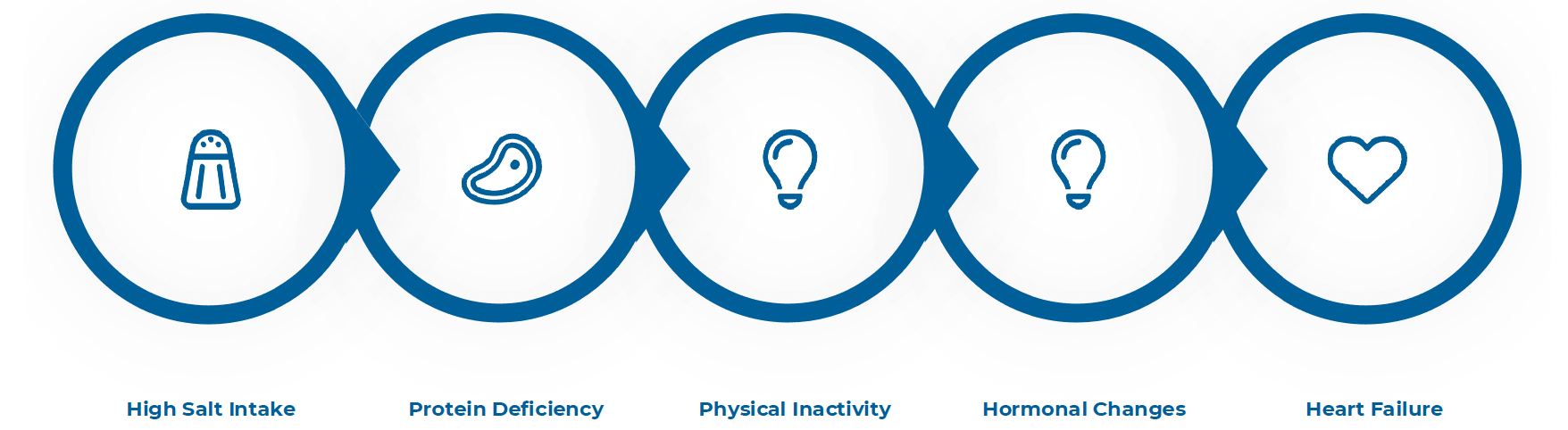
High salt intake is one of the most common causes of water retention. Sodium is an important mineral involved in fluid balance, and excess intake can lead to water retention. Those with high blood pressure may be “salt-sensitive” and are especially prone to the negative effects of salt.
Protein deficiency can lead to fluid accumulation because protein plays a major role in maintaining fluid balance by keeping salt and water inside the blood vessels and preventing it from leaking into the tissues. Research indicates that insufficient protein intake can eventually lead to water retention.
Hormonal changes, particularly in women, can cause shifts in fluid and water retention. Increases in water weight are especially common in the week before menstruation and can account for several pounds of excess fluid. Pregnancy can also cause water retention due to hormonal changes and pressure on blood vessels.
Medical Causes of Water Retention
Heart Failure
Fluid buildup is one of the more serious symptoms of heart failure. Studies show that when your heart isn’t pumping blood efficiently, blood can pool and back up in the vessels, leading to fluid retention. Excess fluid as a result of heart failure can lead to dramatic changes in weight and symptoms like fatigue and shortness of breath.
Kidney Disease
The kidneys function as a filtration system for the body. When they aren’t able to work effectively because of kidney disease, water can start to build up and cause swelling and weight gain. Oftentimes, patients with kidney disease are advised to limit their fluid intake to prevent water retention.
Medications
Many different types of medications can contribute to the buildup of water weight, including:
- NSAID pain relievers
- Oral contraceptives
- Some heart medications
- Certain diabetes medications
- Some antidepressants
- Steroids
Those with medical conditions contributing to fluid retention, such as heart failure or kidney disease, should consult with their doctors before making any dietary changes. For individuals with kidney disease, increasing potassium intake can lead to dangerous alterations in blood potassium levels.
Prevention Strategies
The same lifestyle and dietary changes you can use to lose water weight safely can be used to prevent it from ever building up. Implementing these strategies consistently can help maintain proper fluid balance and prevent the discomfort and weight fluctuations associated with water retention.
Reduce Salt
Limit processed foods and added salt to keep sodium levels in check. Aim for less than 2,300mg daily.
Regular Exercise
Stay active daily, even if it’s just walking or yoga. Physical movement helps prevent fluid from pooling in tissues.
Balanced Diet
Focus on whole foods rich in protein, potassium, and magnesium. Include plenty of fruits, vegetables, and lean proteins.
Stay Hydrated
Drink adequate water throughout the day, especially after exercising, to help flush out excess sodium.
Additional prevention strategies include:
- Getting seven to nine hours of sleep per night to support proper hormone balance
- Taking electrolytes if losing fluids due to exercise or heat to maintain proper mineral balance
- Monitoring your weight regularly to notice patterns in fluctuations
- Managing stress through meditation, deep breathing, or other relaxation techniques
- Elevating your feet when sitting for long periods if you’re prone to swelling
- Wearing compression garments if recommended by your healthcare provider
See your doctor if you notice abnormal bloating or swelling, especially if it’s accompanied by other symptoms like shortness of breath, extreme fatigue, or pain. Sudden or severe water retention can be a sign of serious underlying health conditions that require medical attention.
Conclusion: Balanced Approach to Water Weight Management
Holding on to excess water weight or watching the scale constantly fluctuate can be a frustrating problem. However, understanding that there are many possible causes for fluid buildup—from dietary choices to medications to underlying health conditions—can help you address the issue effectively.
Balanced Lifestyle
The most effective approach to managing water weight combines regular physical activity, a balanced diet rich in whole foods, and proper hydration. This not only helps flush out excess water but also promotes overall health.
Avoid Quick Fixes
Fad diets and medications like laxatives and diuretics are not the right route for losing water weight. These approaches provide only temporary results and can lead to health complications.
Medical Guidance
If you experience persistent water retention despite lifestyle changes, consult with a healthcare provider to rule out underlying medical conditions that may require specific treatment.
Remember that some fluctuation in water weight is normal and part of being human. Women, in particular, may notice cyclical changes related to hormonal fluctuations throughout the month. The goal isn’t to eliminate all water weight but rather to maintain a healthy fluid balance through consistent, sustainable practices.
By implementing the strategies outlined in this guide—monitoring sodium intake, consuming adequate protein, increasing potassium and magnesium-rich foods, staying physically active, and maintaining proper hydration—you can effectively manage water weight while supporting your overall health and well-being for the long term.
Looking for compassionate, consistent support on your health journey? Start by booking your FREE consultation with us, and join the Innerstrong community today!